Background
When planning a trip to Japan in 2025, since our route would take us through China, my wife and I decided to spend a few days in Beijing. Below, I’ll share our three days in the Middle Kingdom.
First Impressions of Beijing
After a long and grueling flight to China, I was glad I’d booked a transfer to the hotel in advance—it turned out to be a wise decision. We arrived comfortably and peacefully, without wandering around the city at night. However, the hotel itself was still a challenge to find: tucked away in a narrow alley, impassable by car, and when we finally entered, the staff member was peacefully sleeping on a sofa by the reception desk.
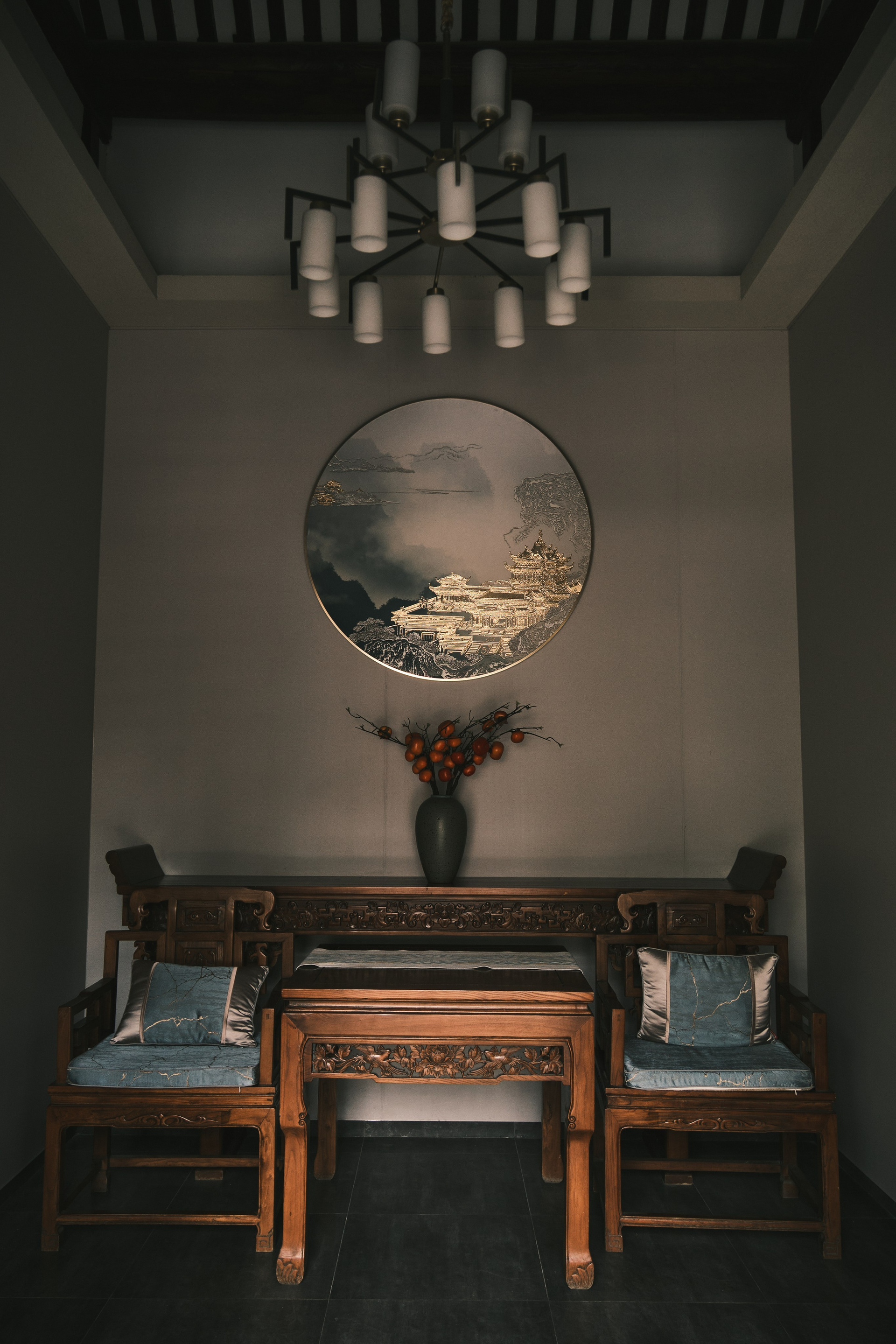
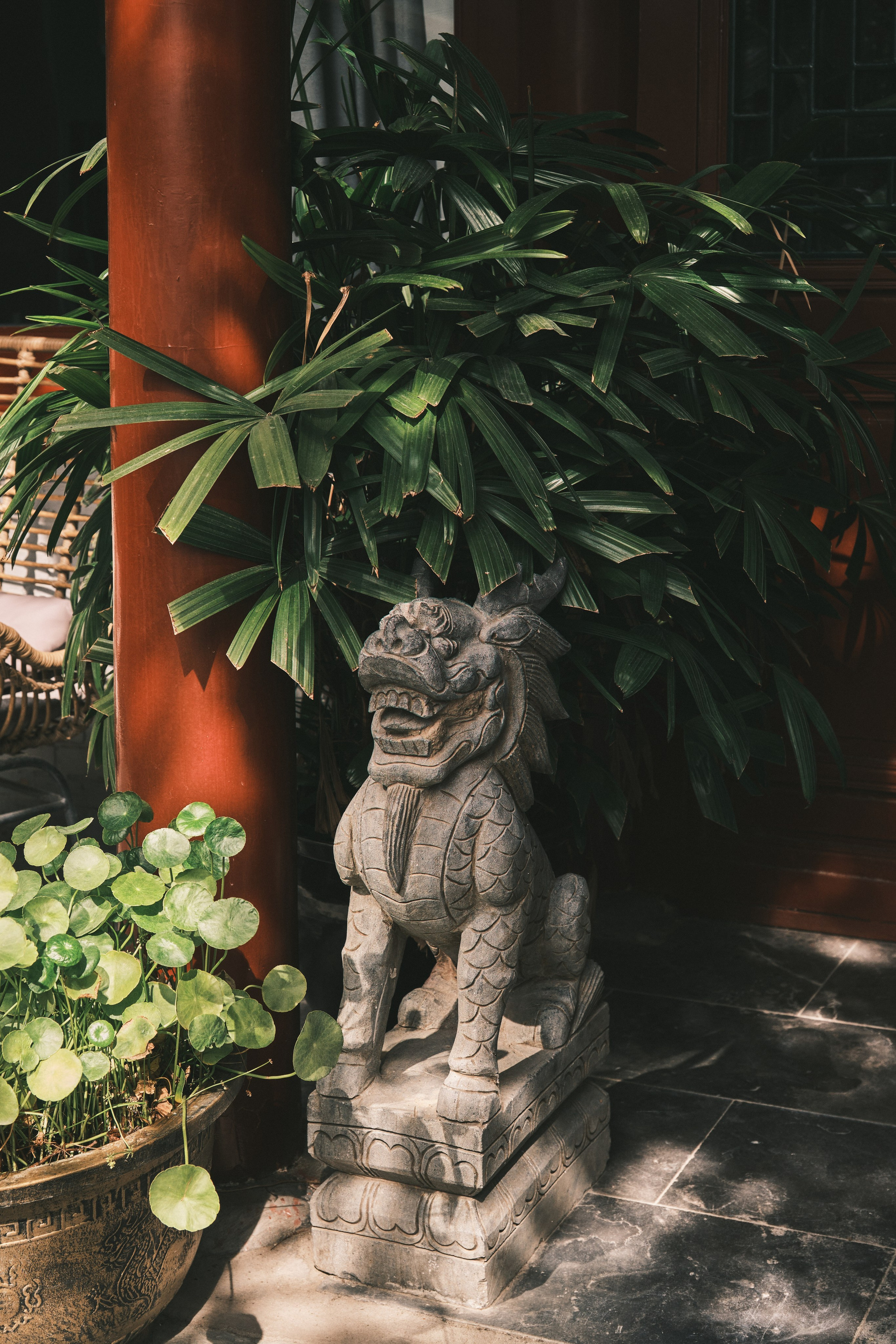
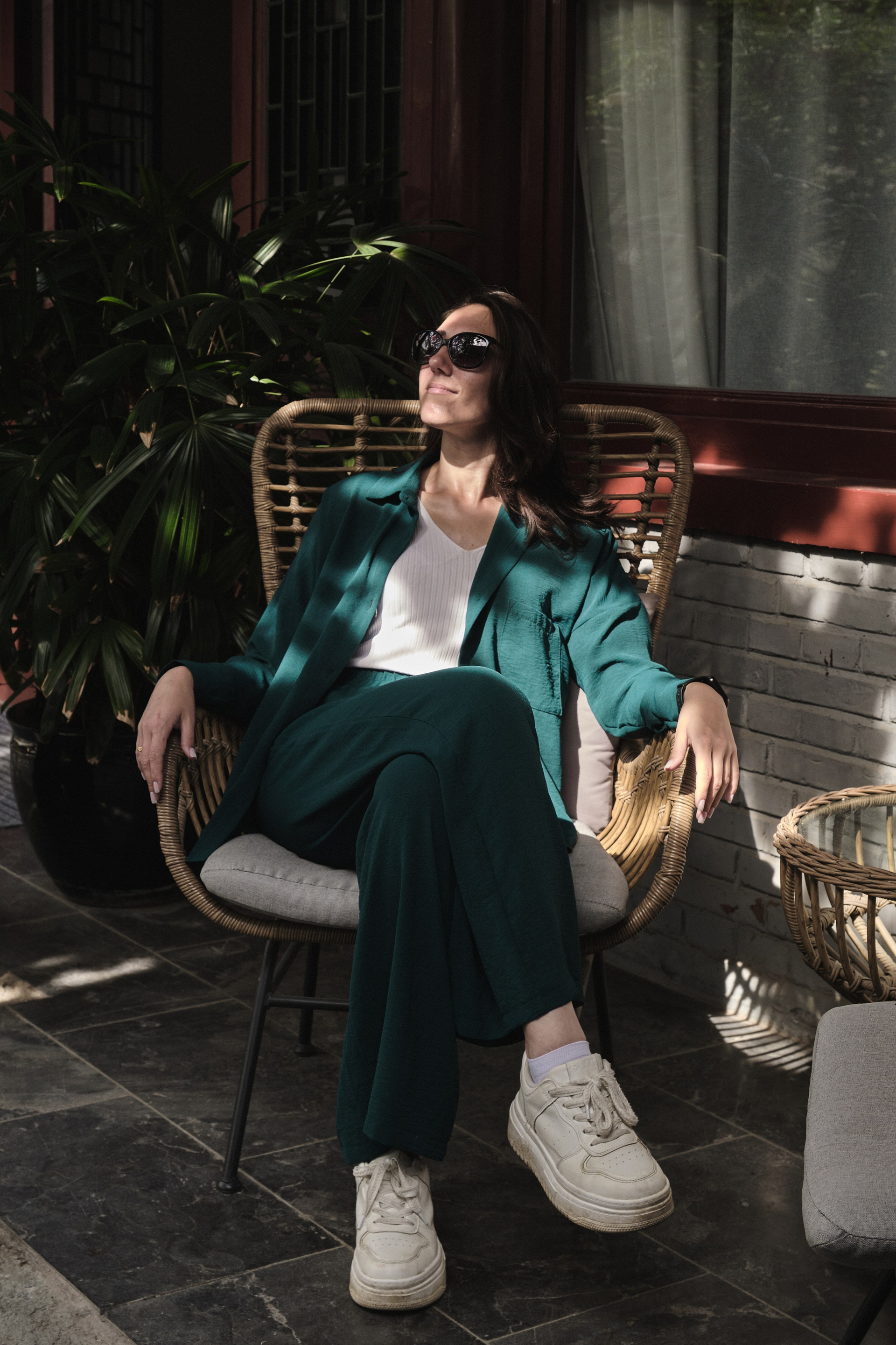
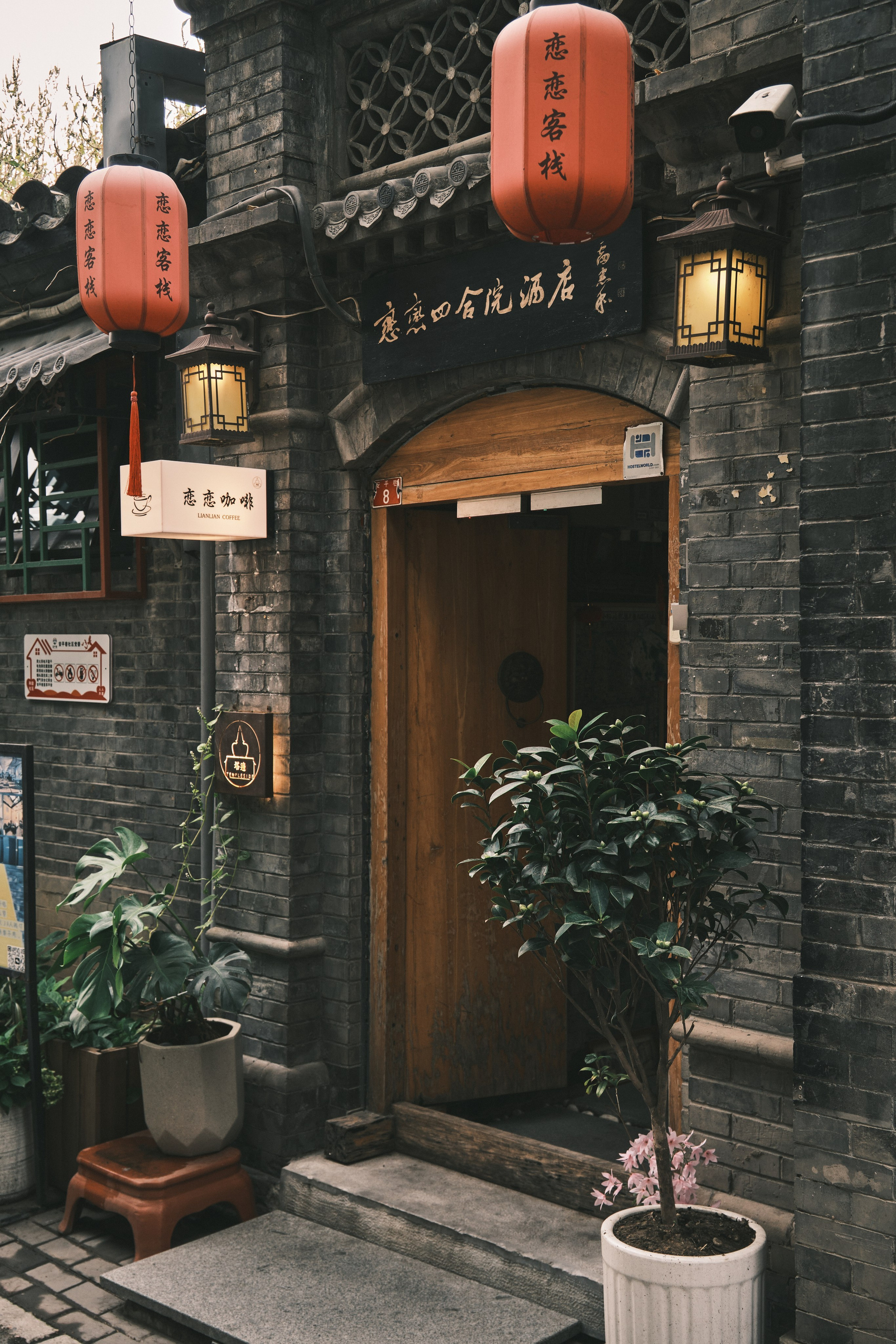
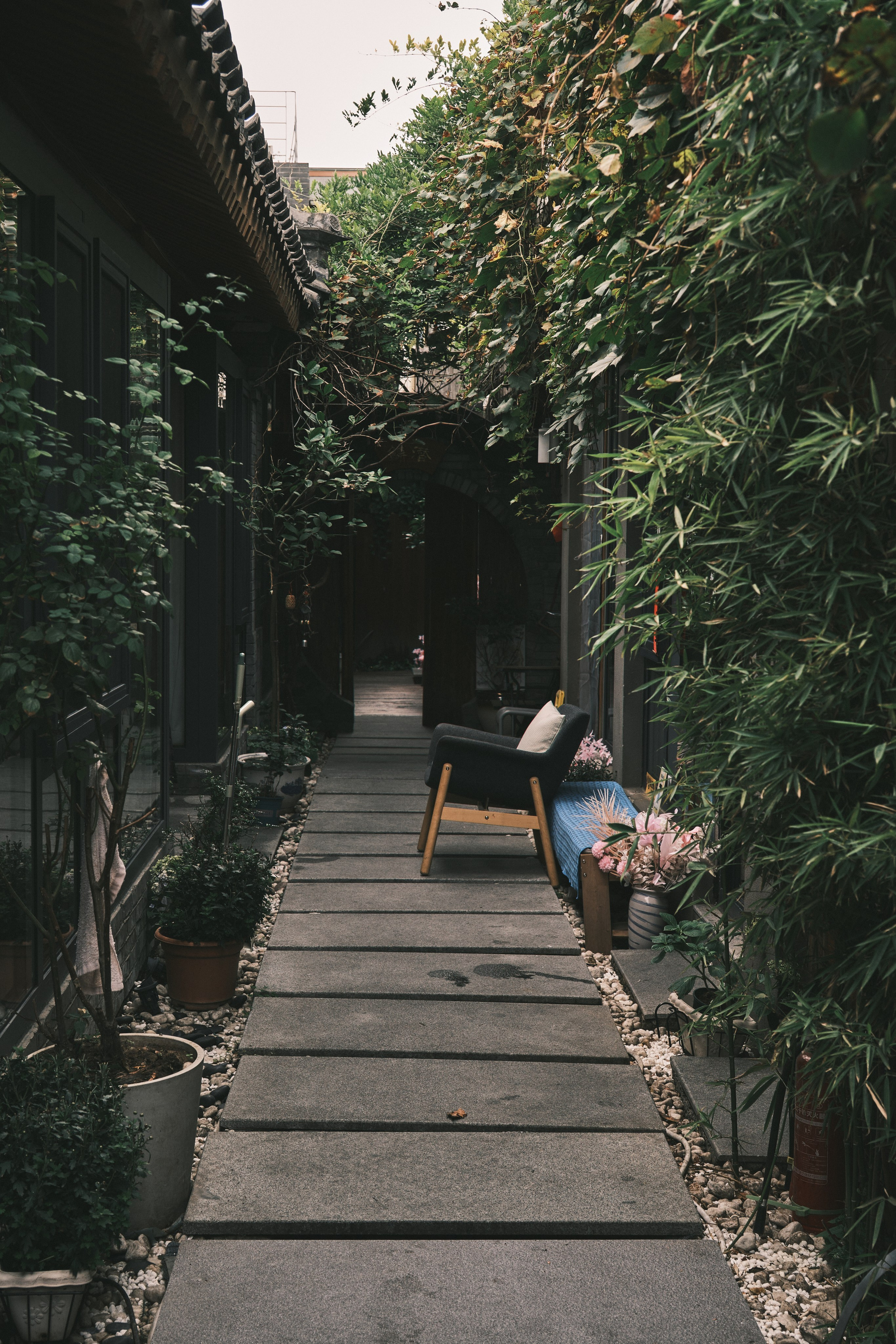
I spent a long time preparing for the trip and carefully choosing my accommodations, and it was worth it. Our hotel in central Beijing turned out to be cozy and atmospheric, with an open rooftop terrace with tables and a traditional-style courtyard.
A special touch was the neko cafe right on the premises. Self-service, cats, peace. The perfect place to relax or work.
We were lucky: we got a room without neighbors, even though it was located right at the entrance to the courtyard. The sound is very loud—if someone arrived at night, it was noticeable. But otherwise, it was comfortable, quiet, and aesthetically pleasing. Opposite the room entrance was a fountain with a table and some greenery.
The only thing that surprised me was that no one even spoke English at the hotel. If you’re going to China, book a transfer, choose your accommodation carefully, and bring patience. There’s nothing to do there without internet. Don’t rely on GPT: Google Translate is your friend.

First day in China
We left the hotel in search of breakfast. We ended up in a bao house.
We chose what we wanted to eat with a translator, explained everything to a friendly old man, and received two plates of fresh, hot bao for only 20 yuan (we’ve never had such a cheap meal in China). It was very simple. And very tasty.
Sometimes the best moments are unplanned.


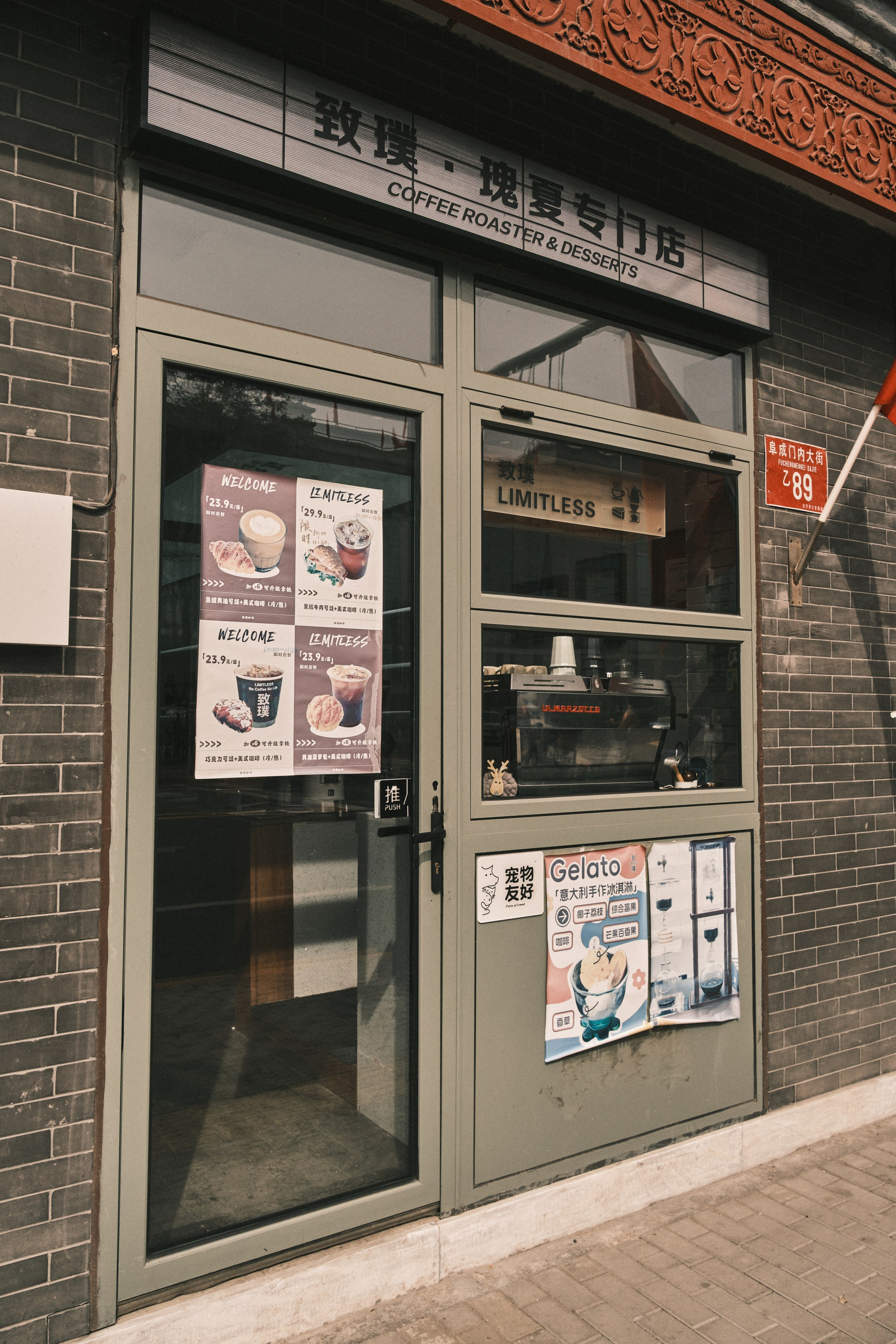
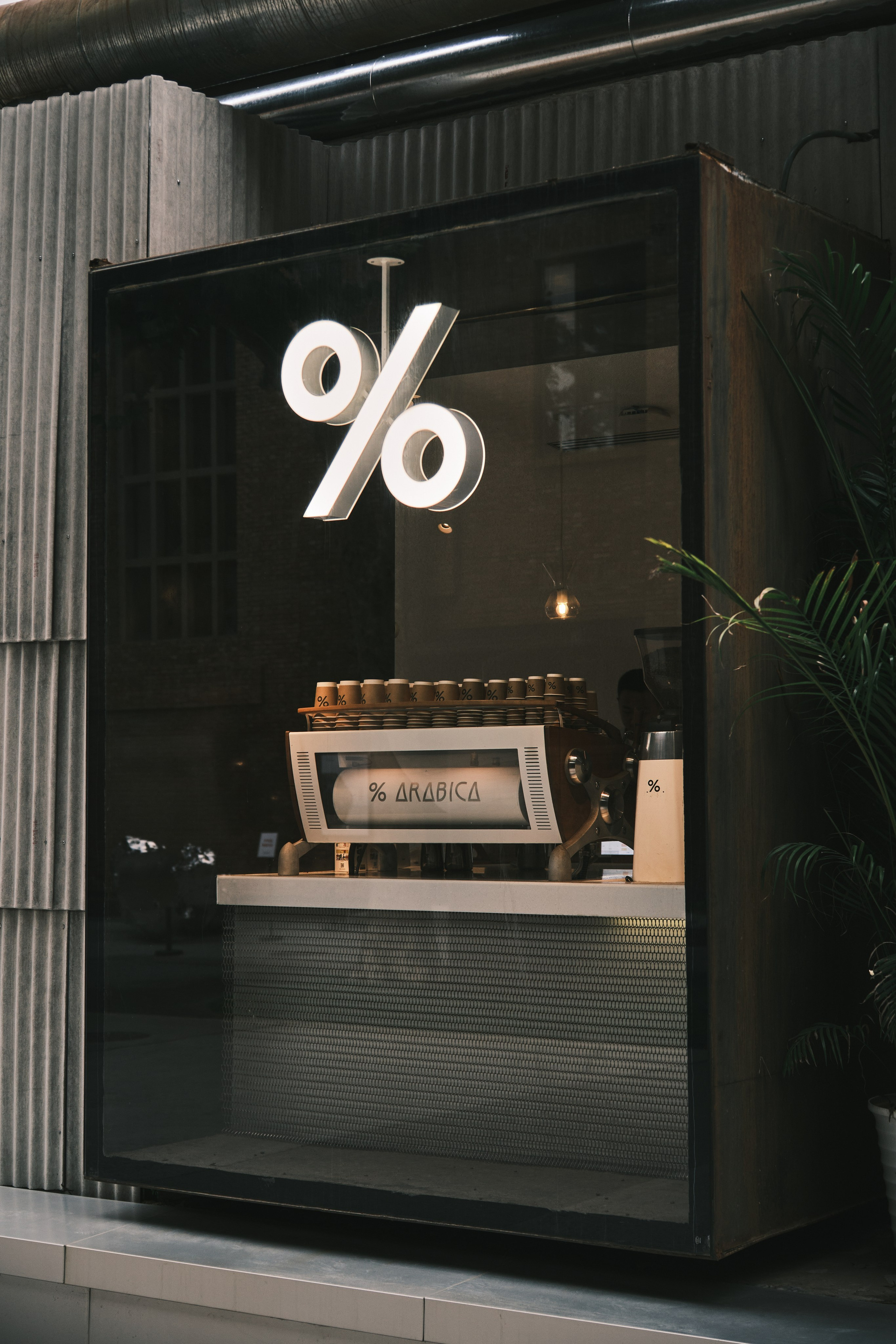
Before every trip, I search for interesting specialty coffee shops.
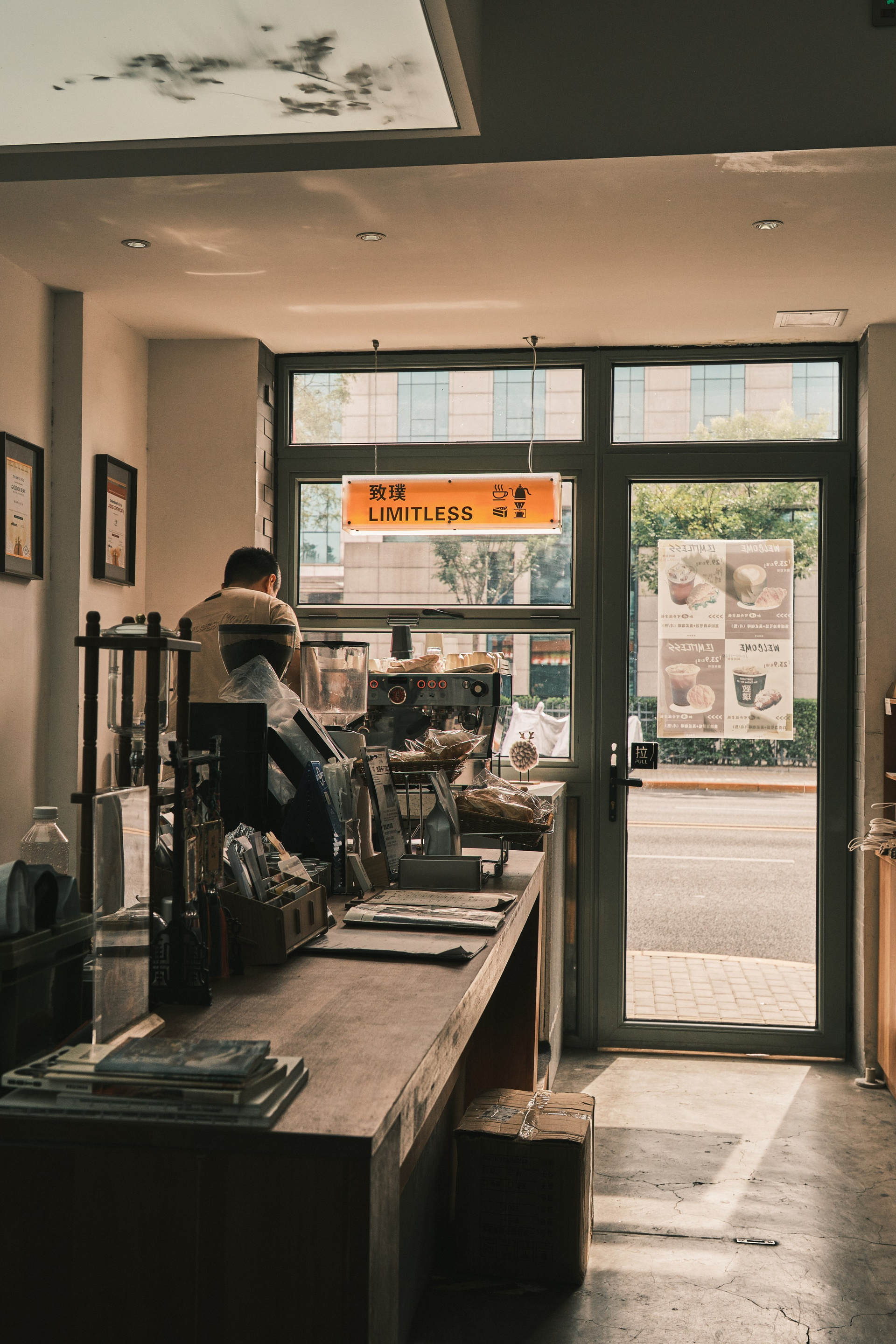
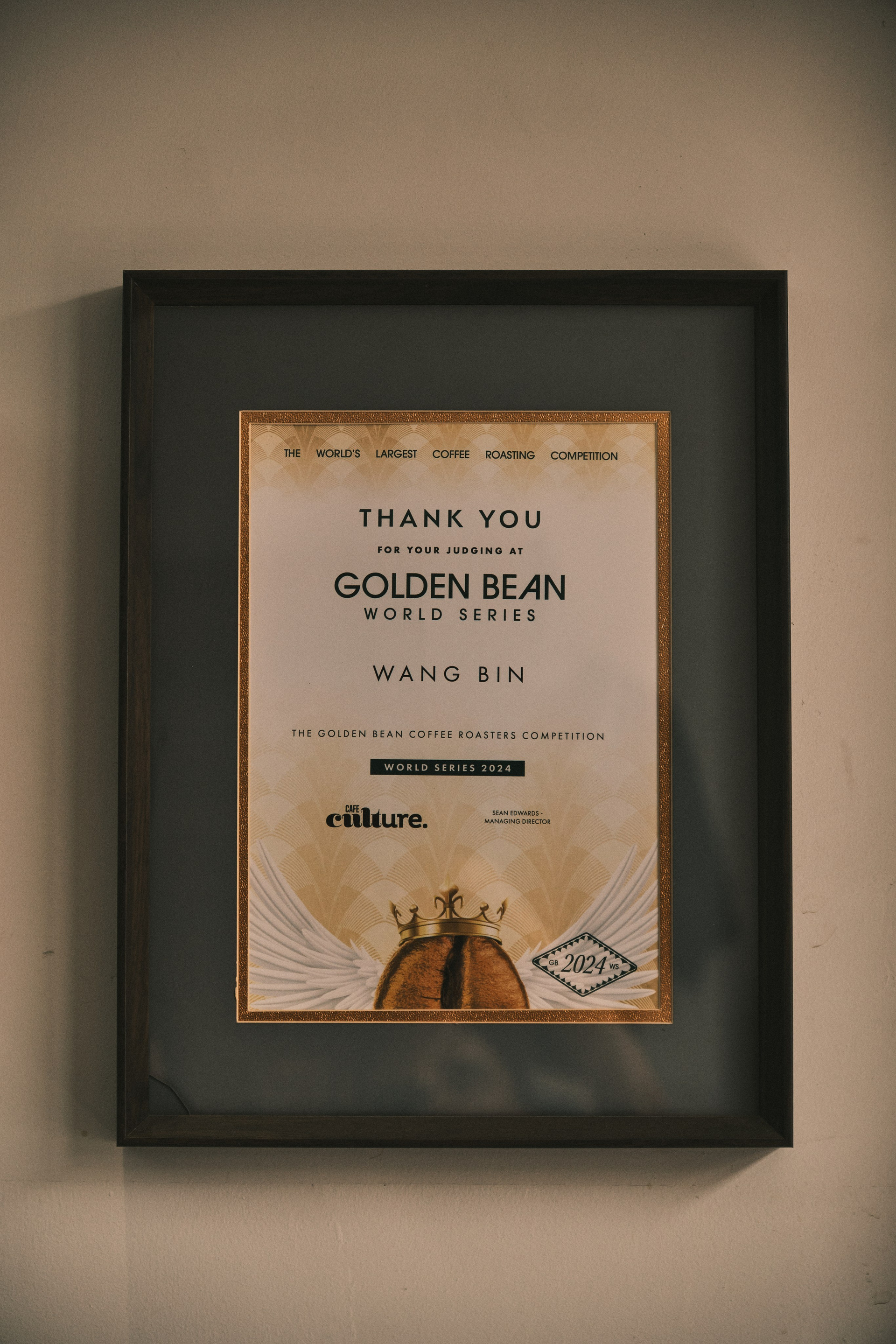
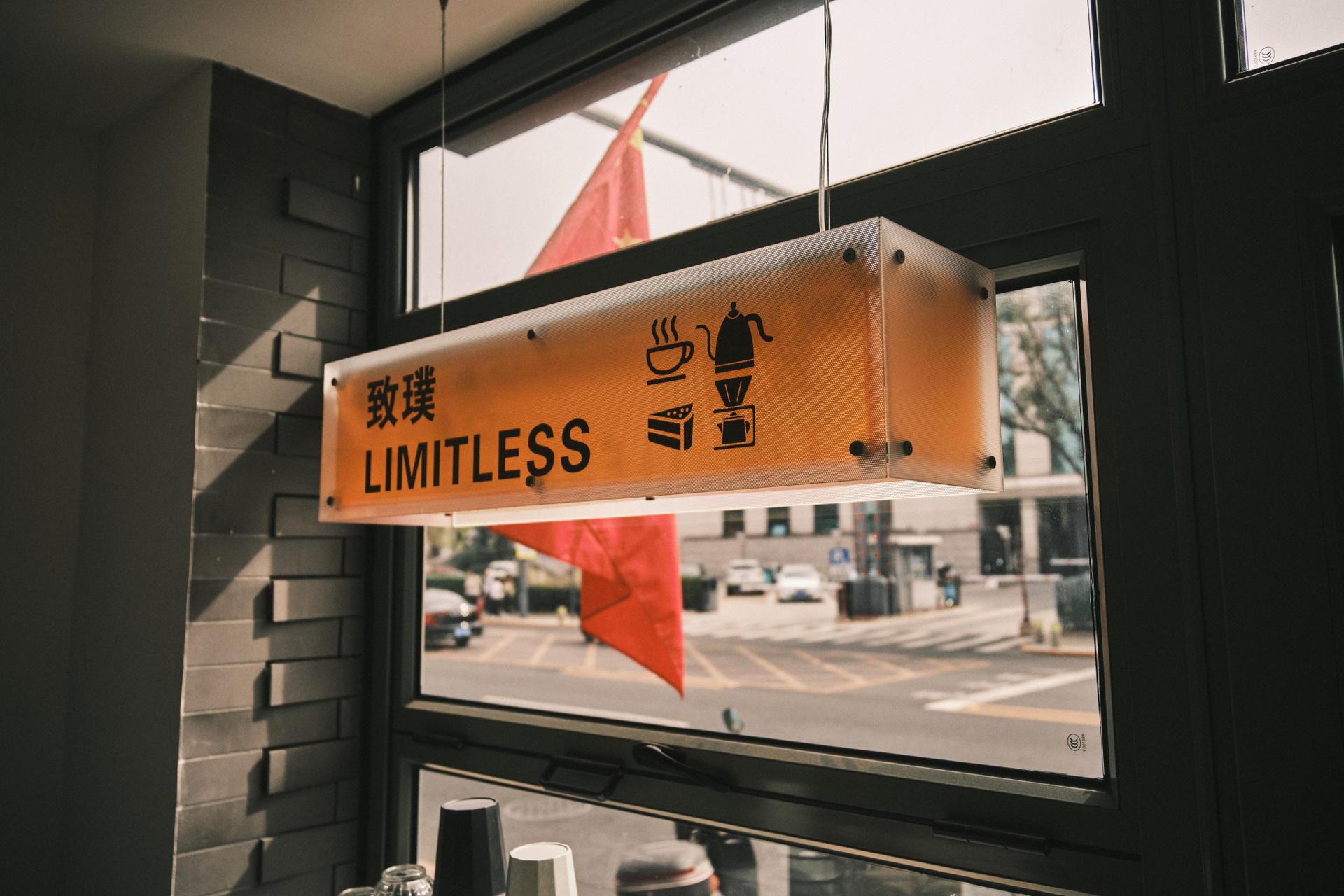
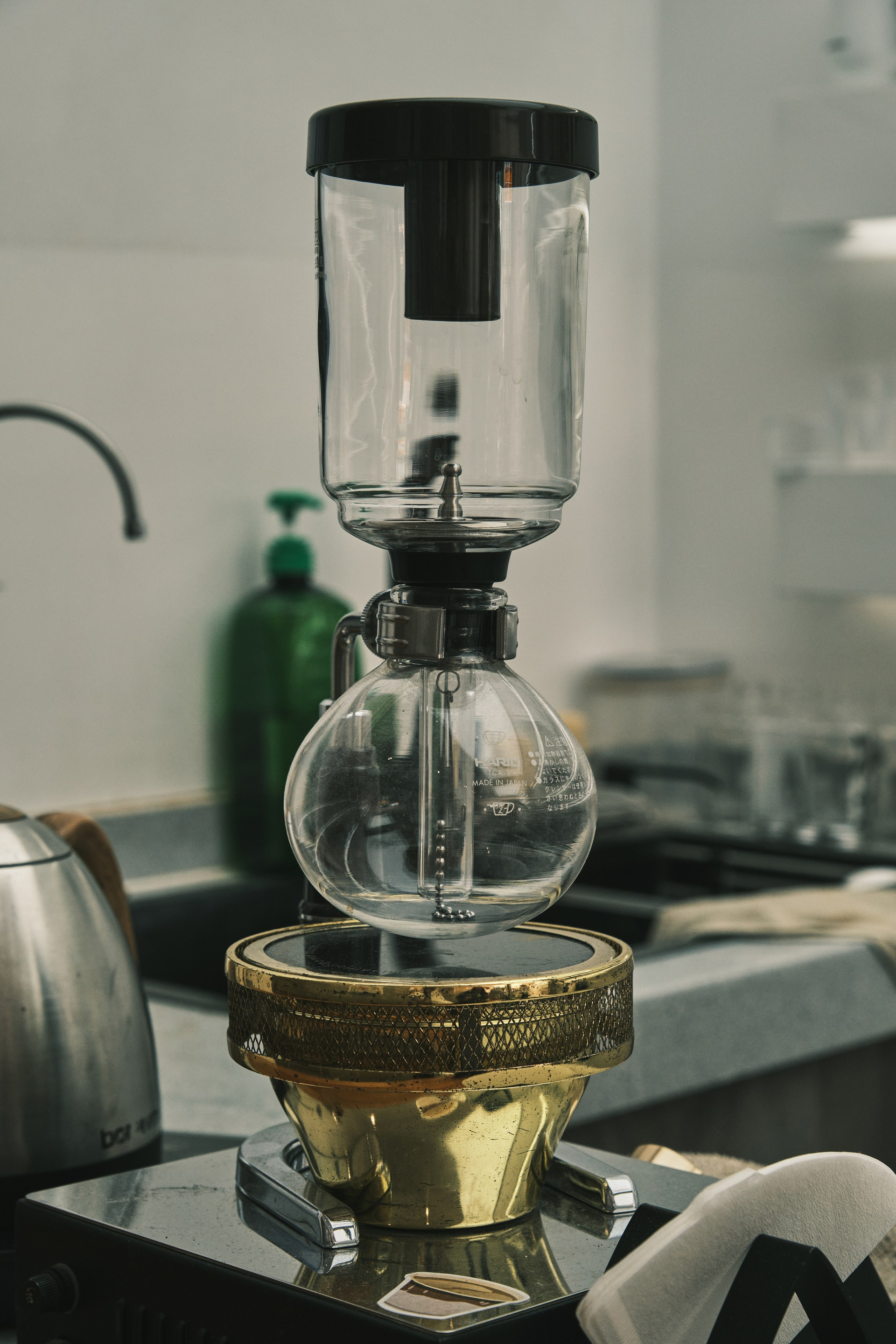
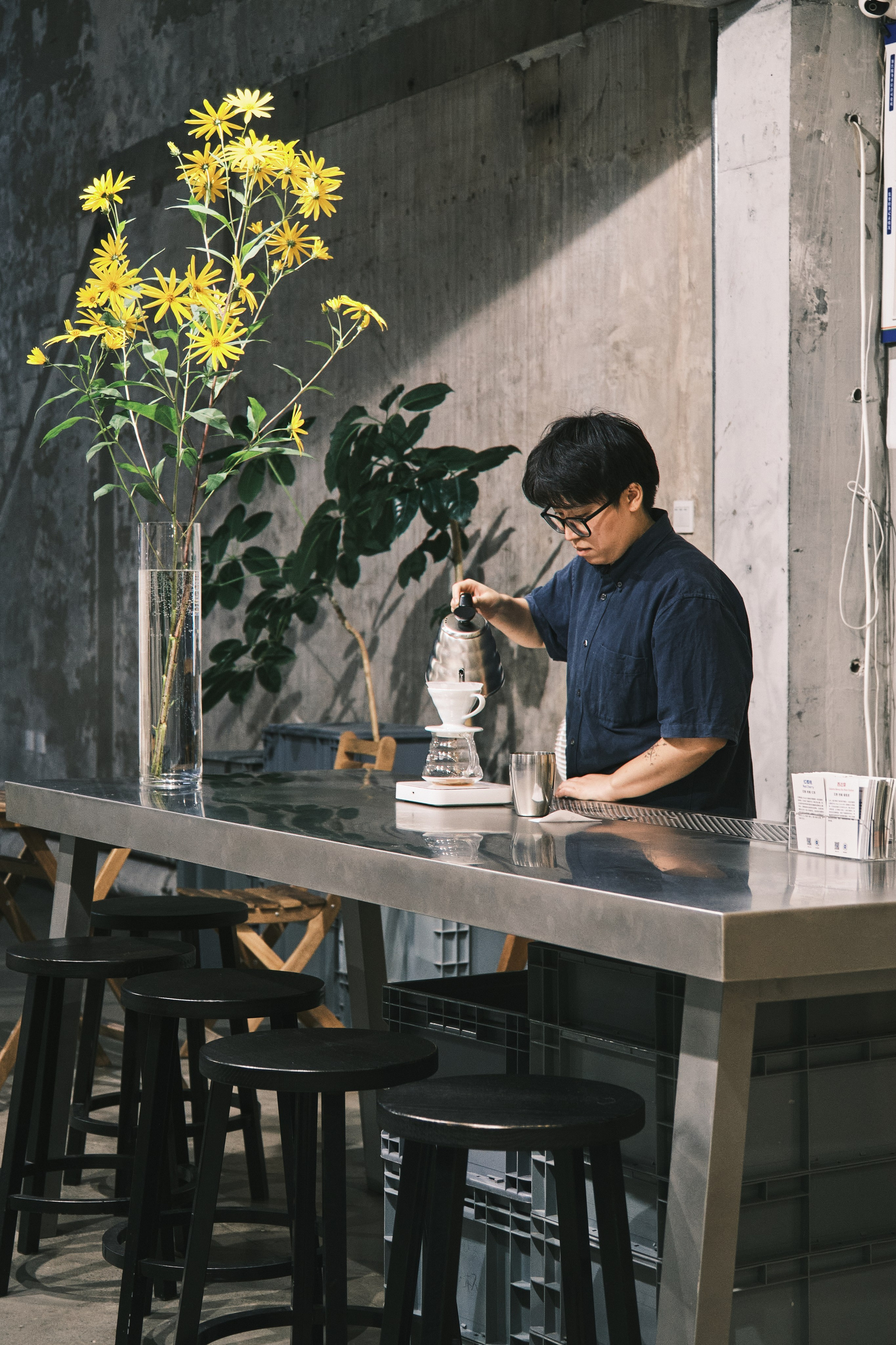
First on the list was Limitless, which turned out to be the most atmospheric in Beijing. Half a coffee shop, half a wine bar. On the wall was a judge’s certificate from one of the world’s largest competitions, the Golden Bean World Series—an international coffee roasting competition held in North America and Australia. The barista knew exactly what he was doing.
The conversation immediately turned to “something special.” Well, not really a conversation, more like an exchange of phrases through a translator, but we chatted for a long time. We told them about our “Welder.” We ordered two lots.



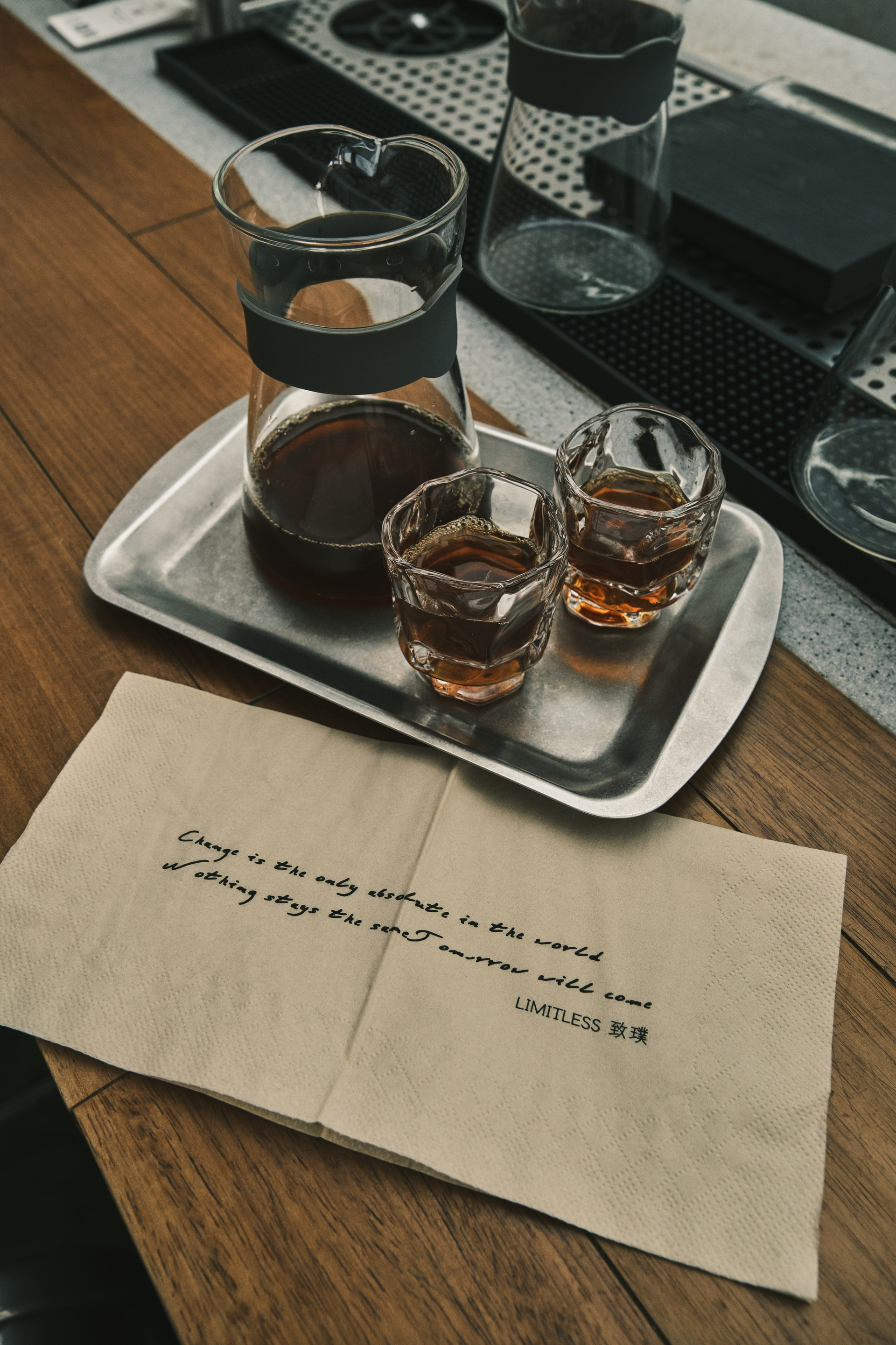
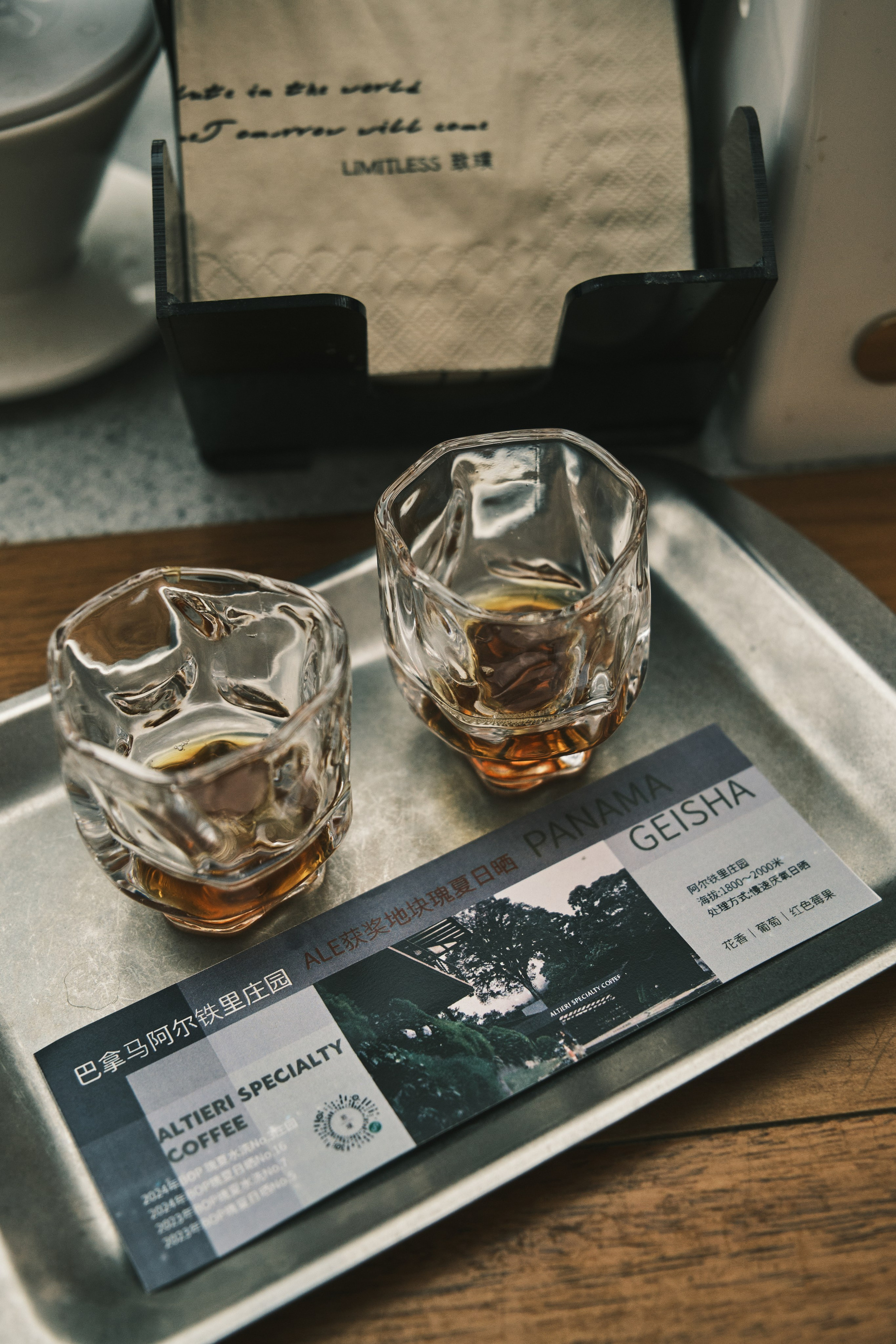
The first lot was a naturally processed Panama Geisha from the Altieri Specialty Coffee farm—an elite Arabica with a vibrant floral aroma, berry acidity, and citrus freshness. One of the most expensive and prestigious coffees in the world, it is often used for cuppings, tastings, and championships.
The second lot was from the Hacienda La Esmeralda farm in Panama, located in the mountainous region of Chiriquí. The farm is renowned for its hand-picked coffee, special processing, and high-quality beans, prized by collectors and professionals. The flavor is reminiscent of tea, with notes of jasmine, rose tea, and green apple.
I learned the price after ordering. It was probably the most expensive, but also the most delicious coffee we’ve ever tasted. And it was worth it.


Afterwards, we decided to go up.
The second floor is cozy, shaded, with lots of greenery and subdued lighting. A quiet place to take a break and absorb all your impressions.
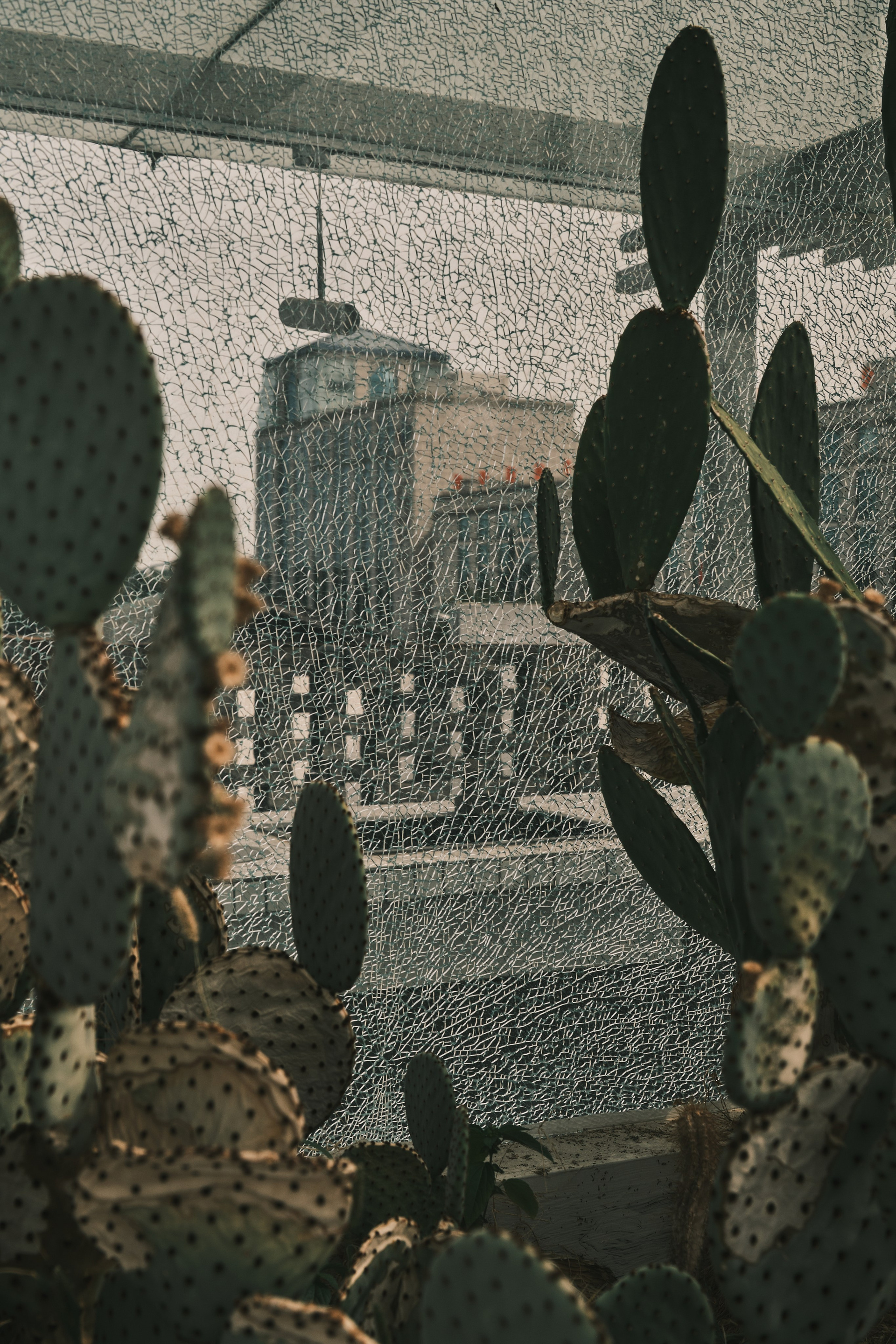
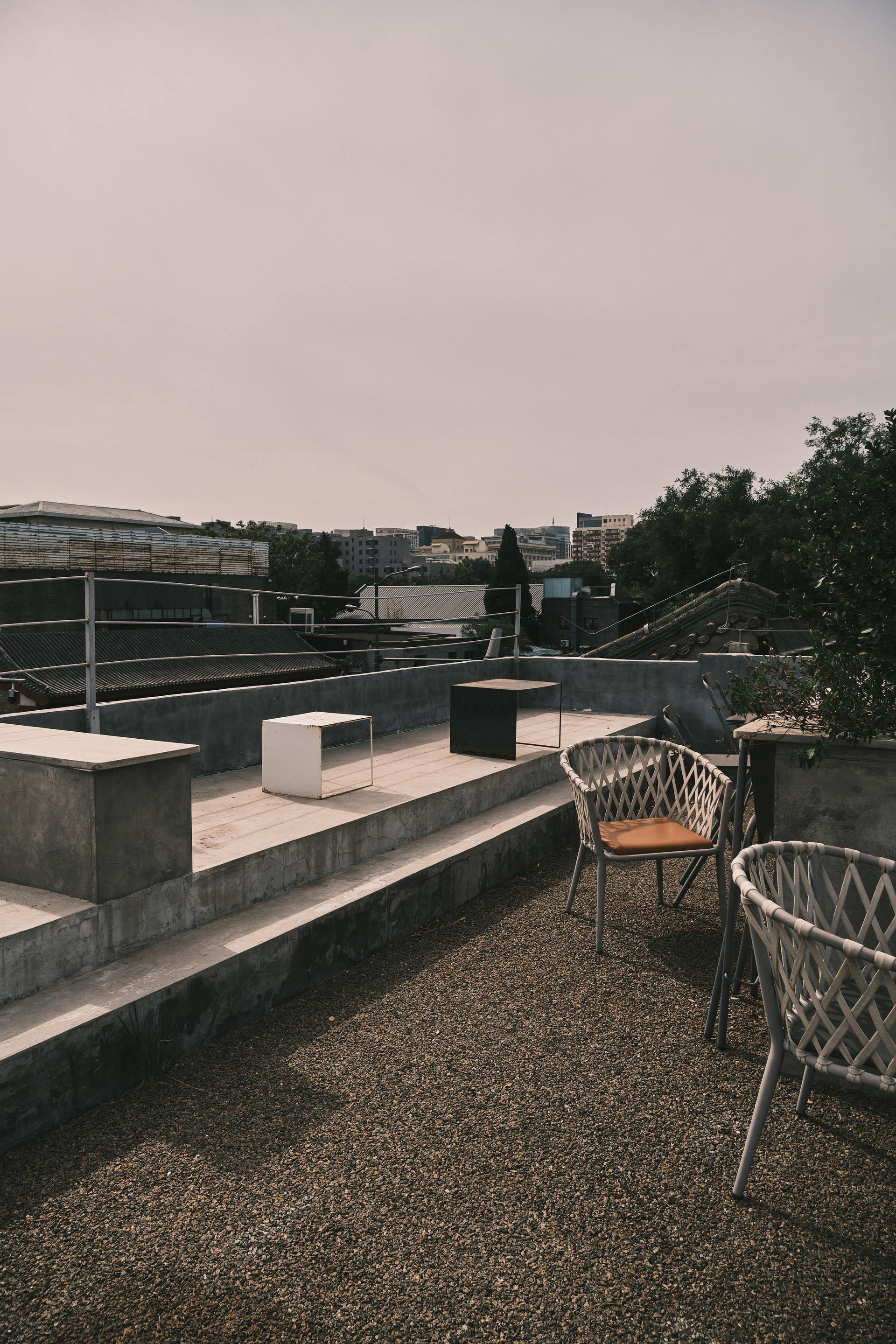
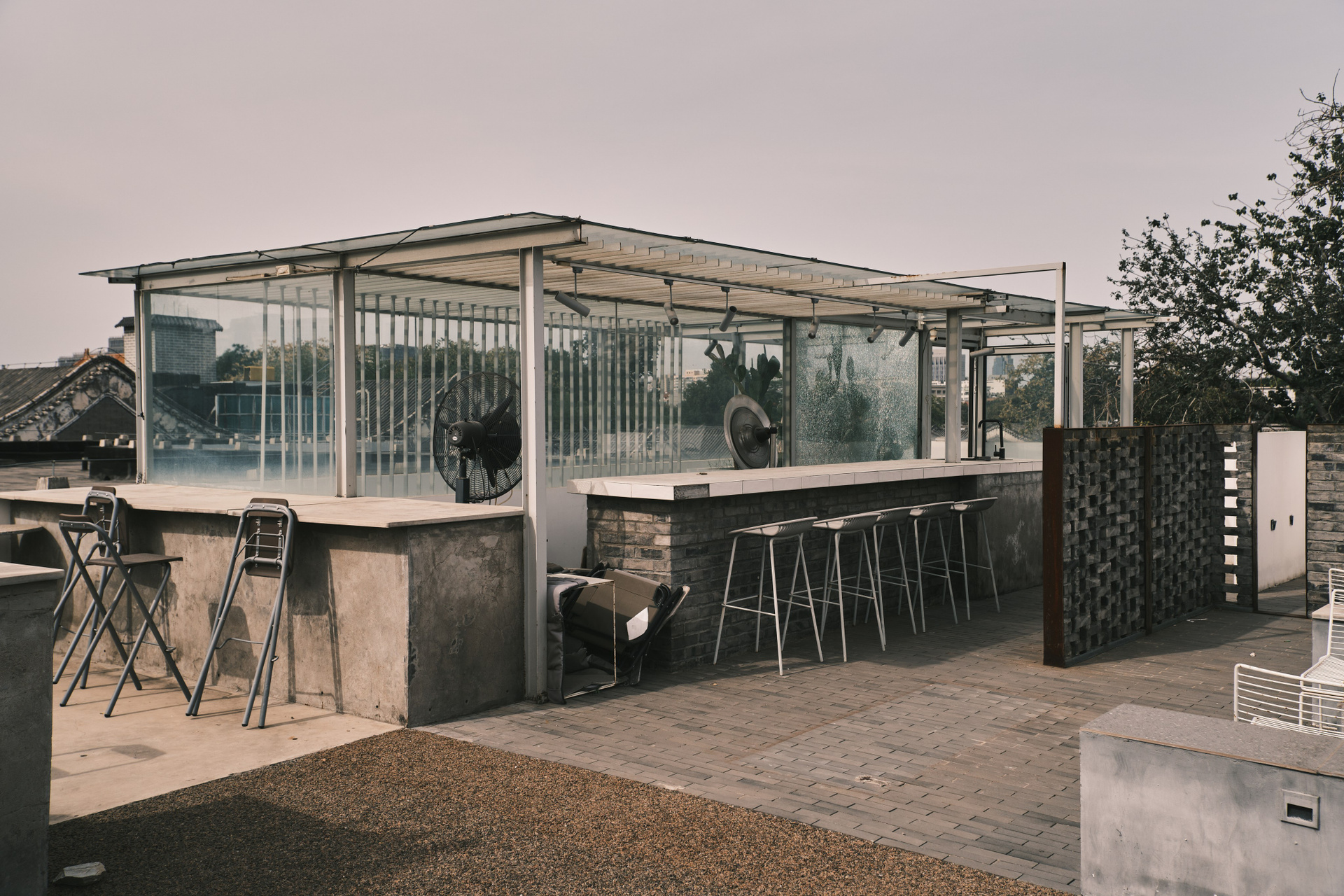
And even higher up is the roof. An open terrace with a bar overlooking the city. But it was so hot that day that it was empty.


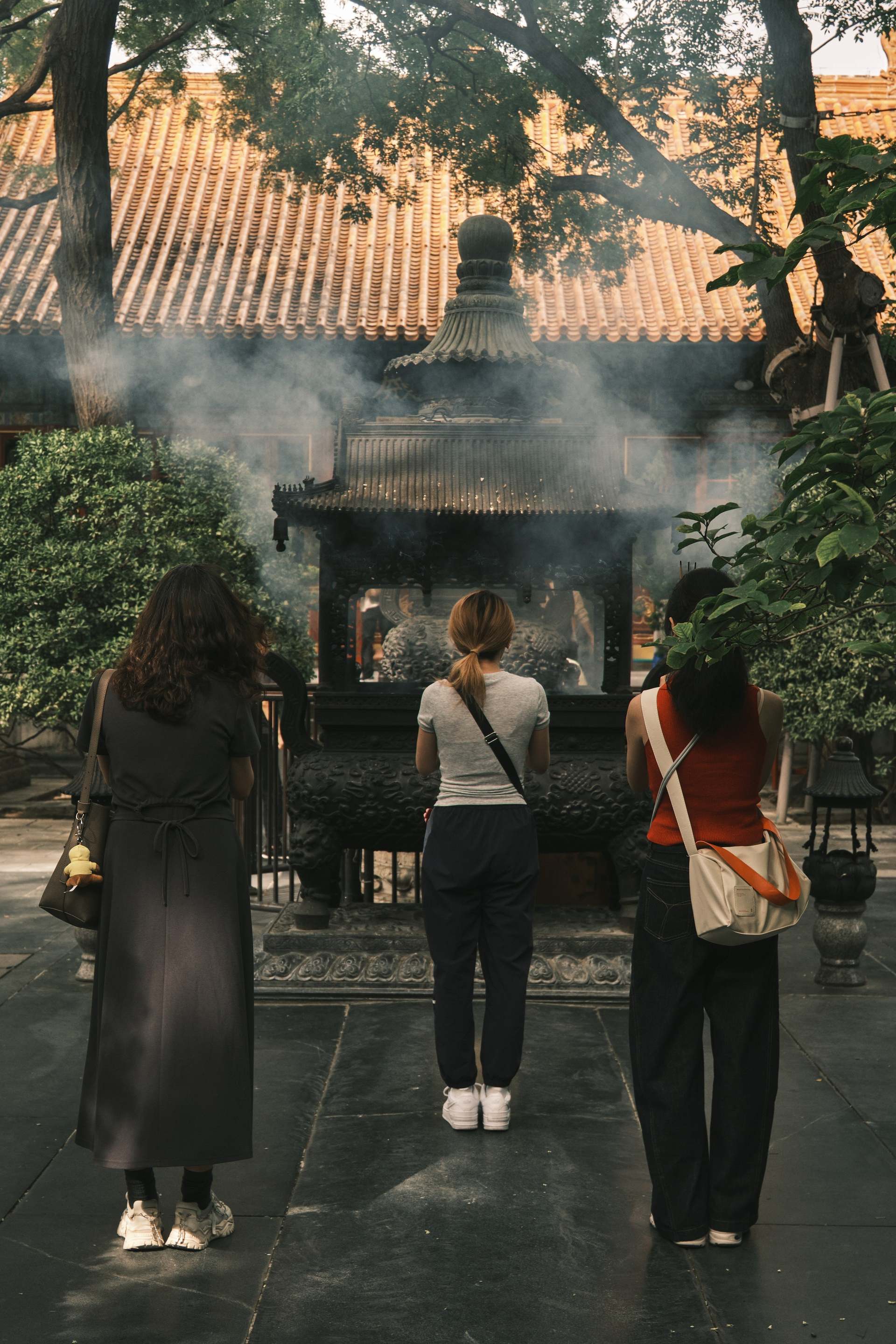
We popped into a nearby temple — at first we just passed by, thinking it was small.
Later we returned and discovered a large space with an inner courtyard behind the facade.
We watched the people who came here to pray, share personal concerns, or seek answers — without disturbing their privacy. Incense smoke, light, and a sense of peace.
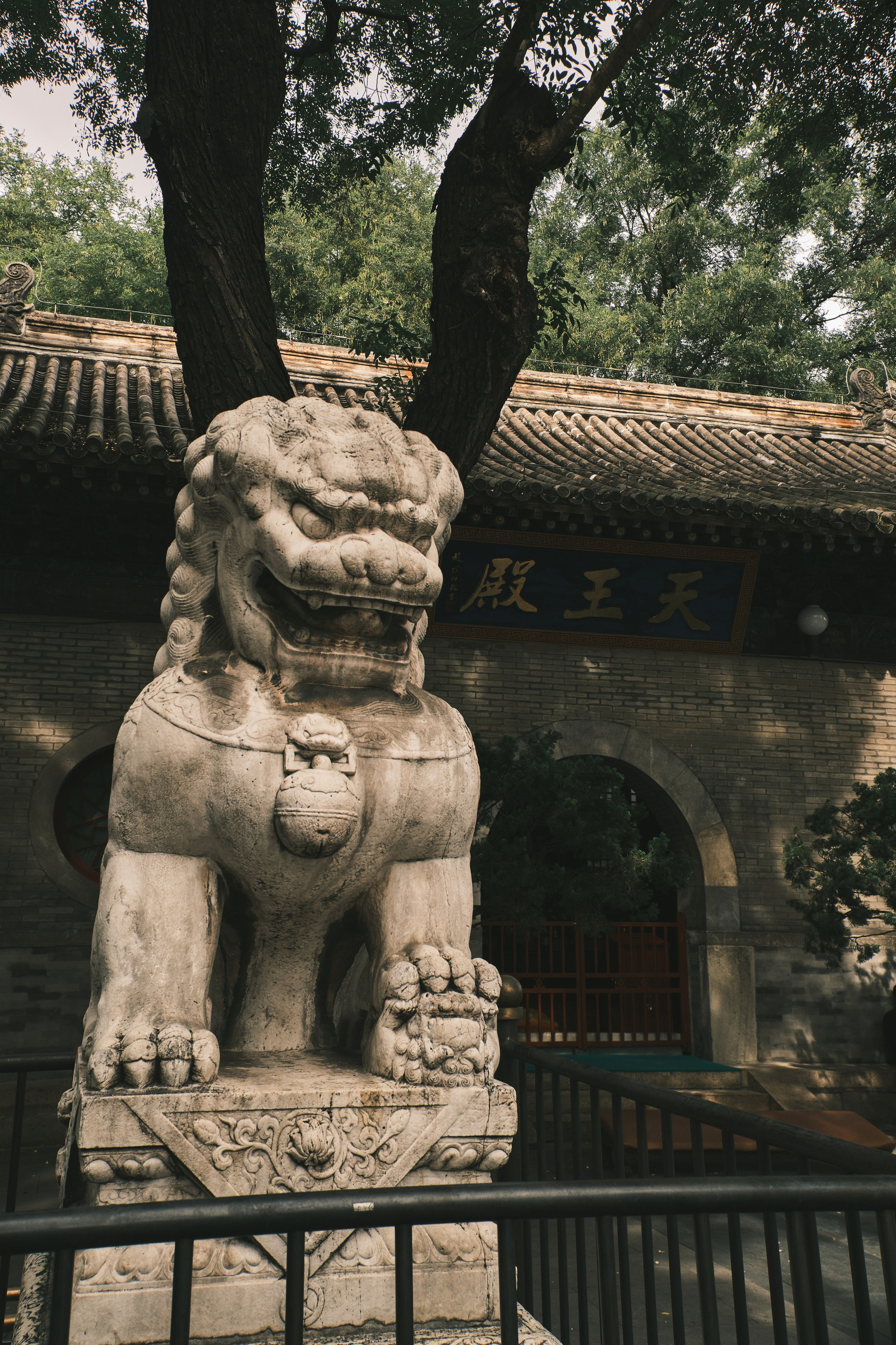

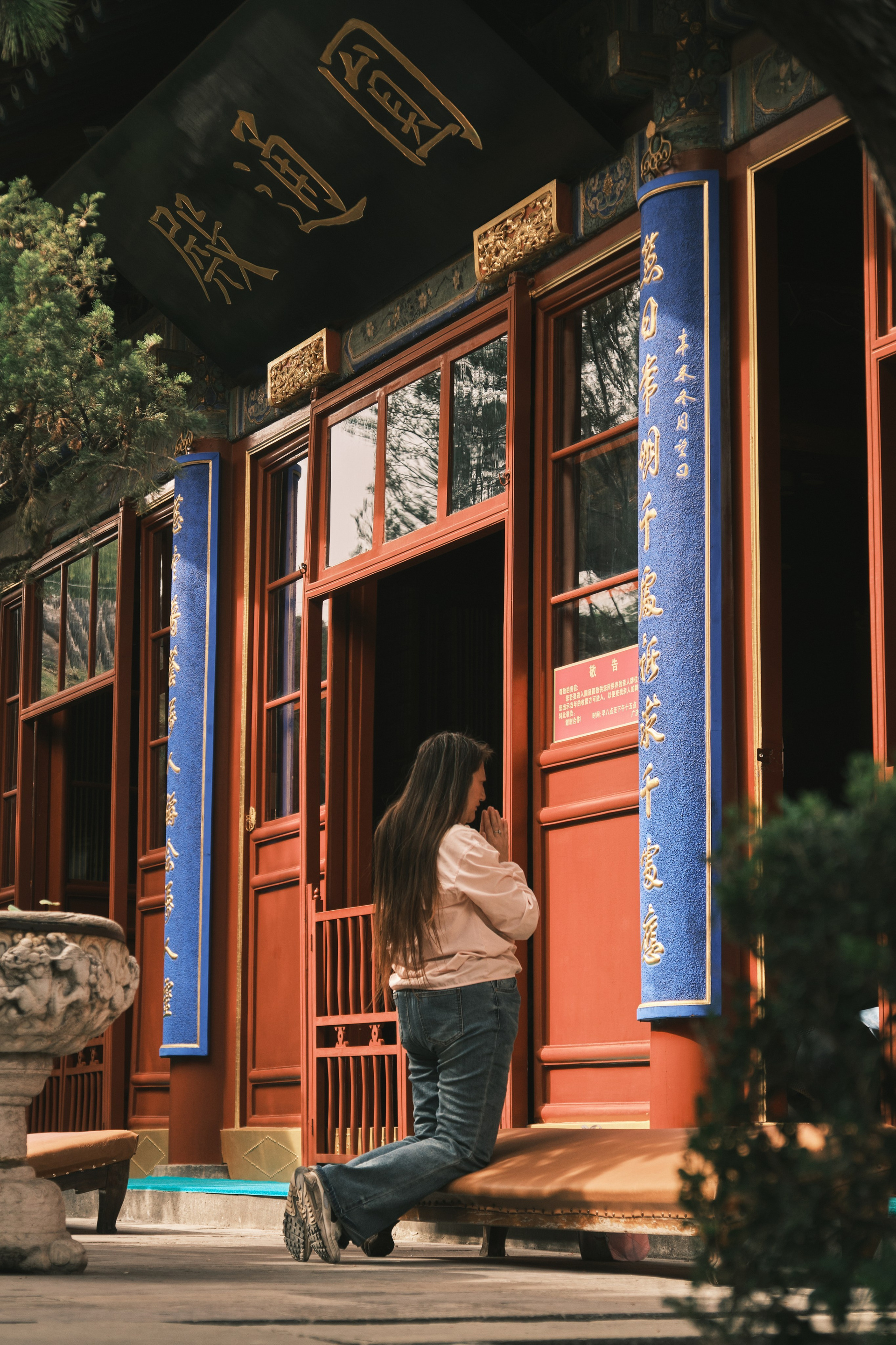

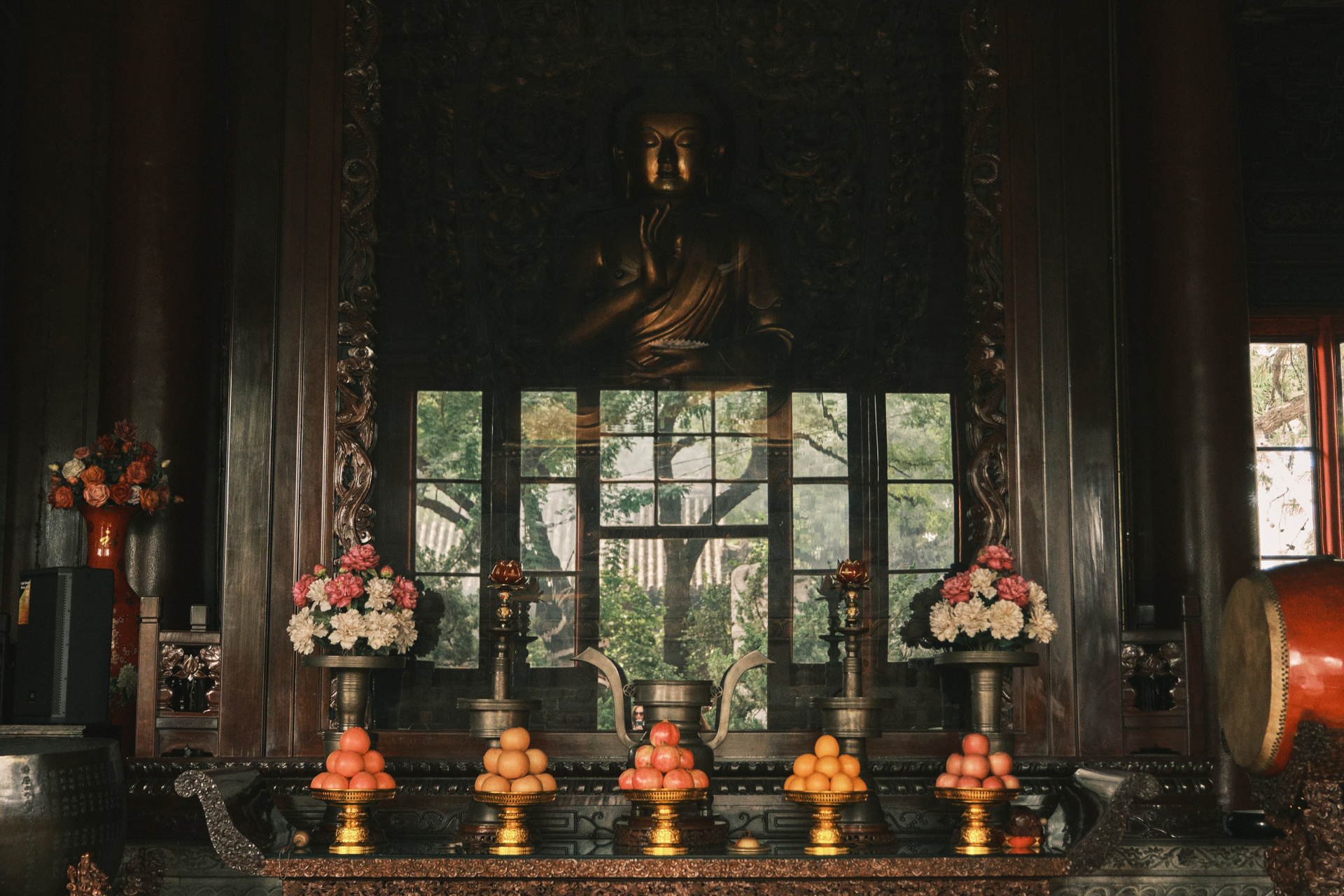


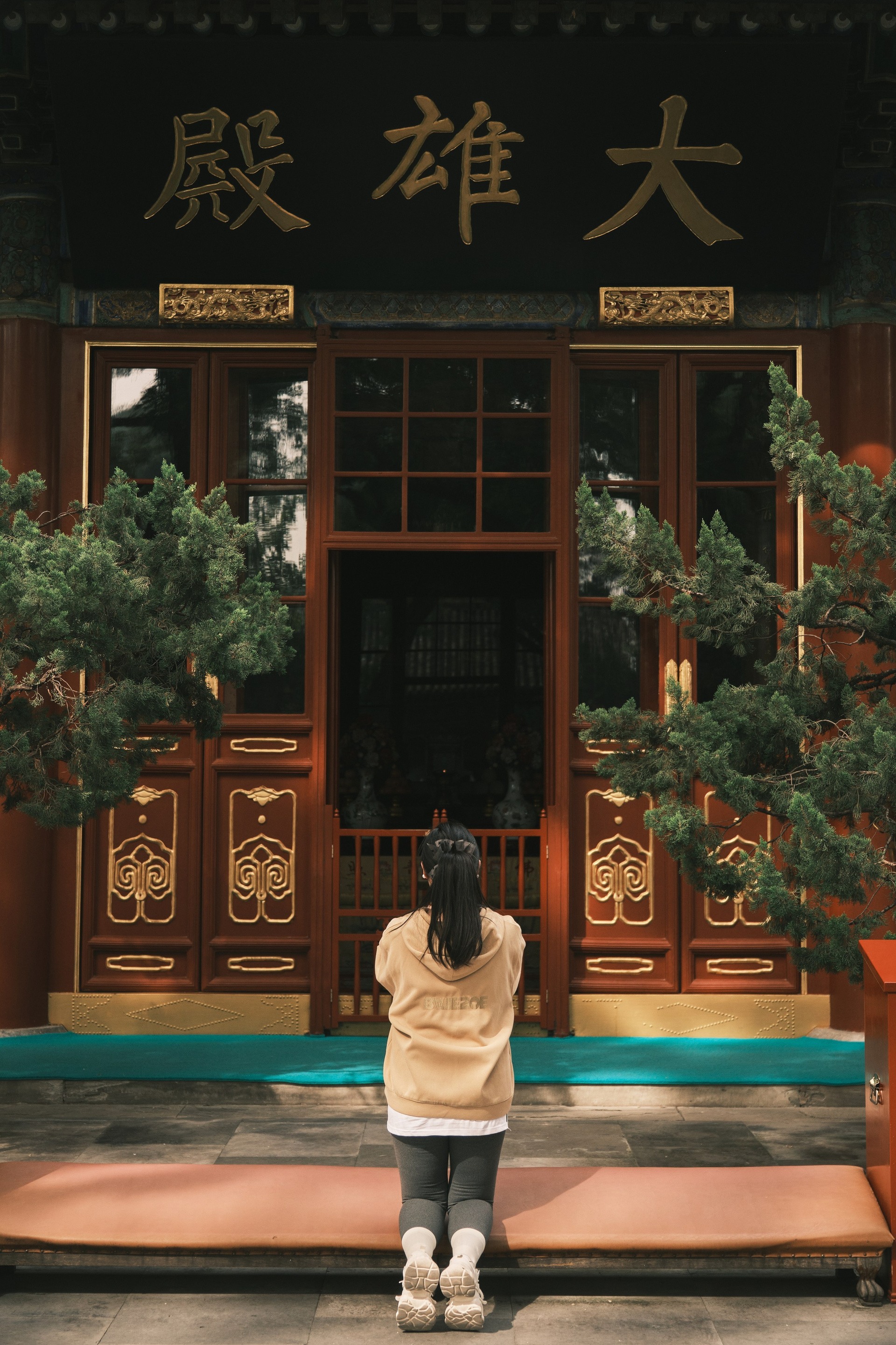
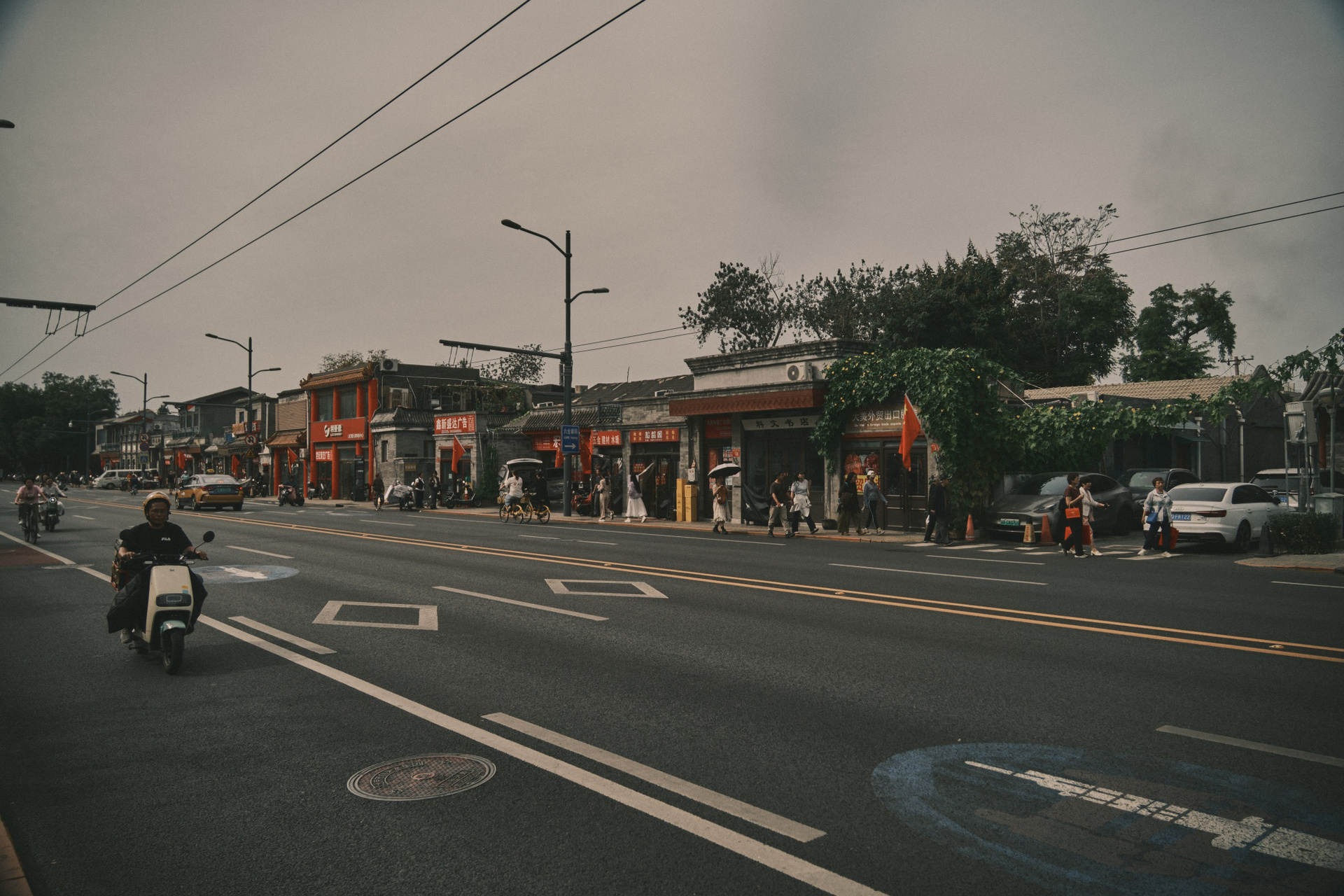
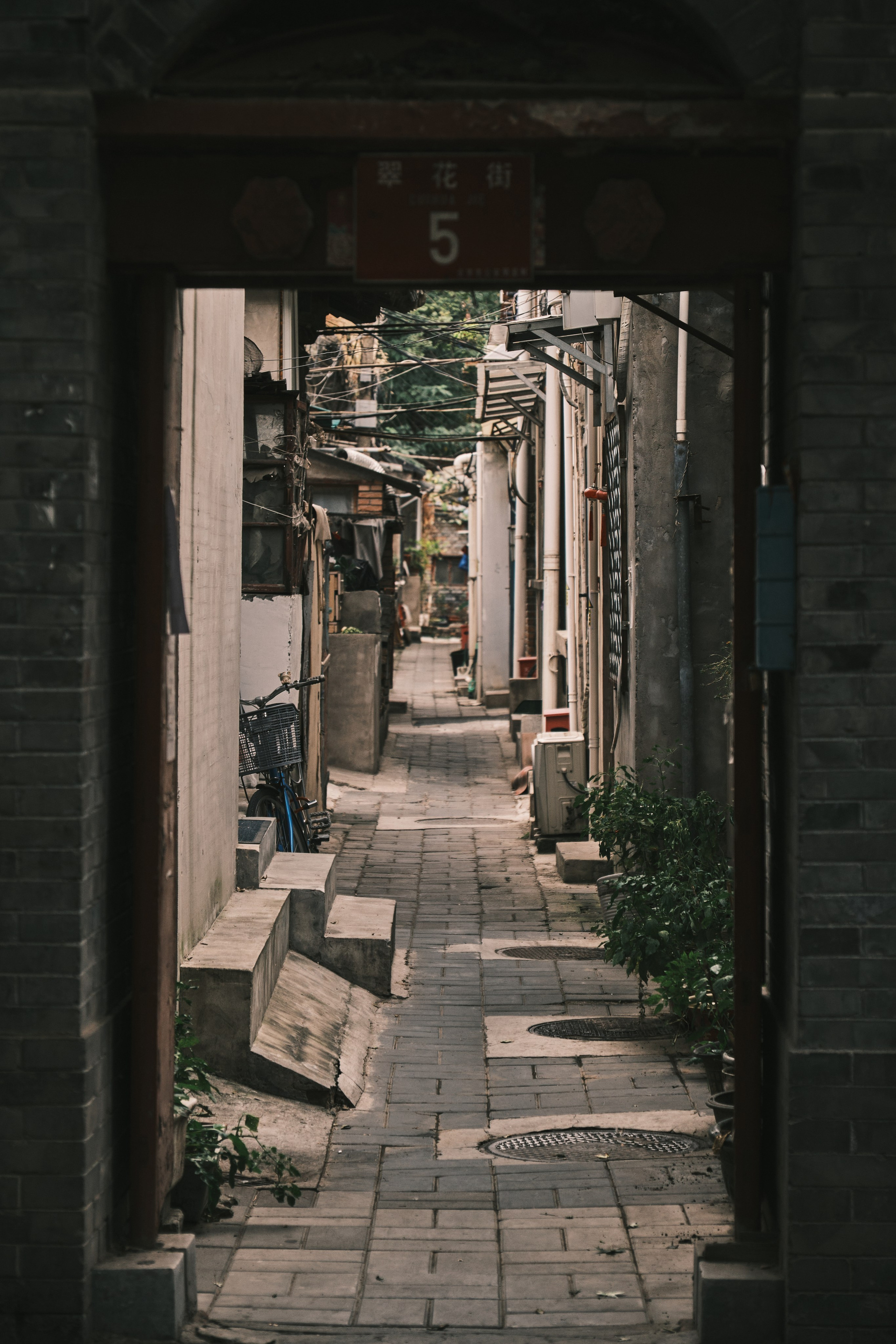
The city led us through narrow streets where the real, authentic Beijing has been preserved.
The sound of bicycles, the smell of food, signs without a single Latin letter, old houses with peeling paint—everything had its own beauty and rhythm.
For lunch, we stopped at Slowboat, a local chain with artisan burgers. The menu, as usual, is only in Chinese, but that’s become commonplace: GPT is here to help.
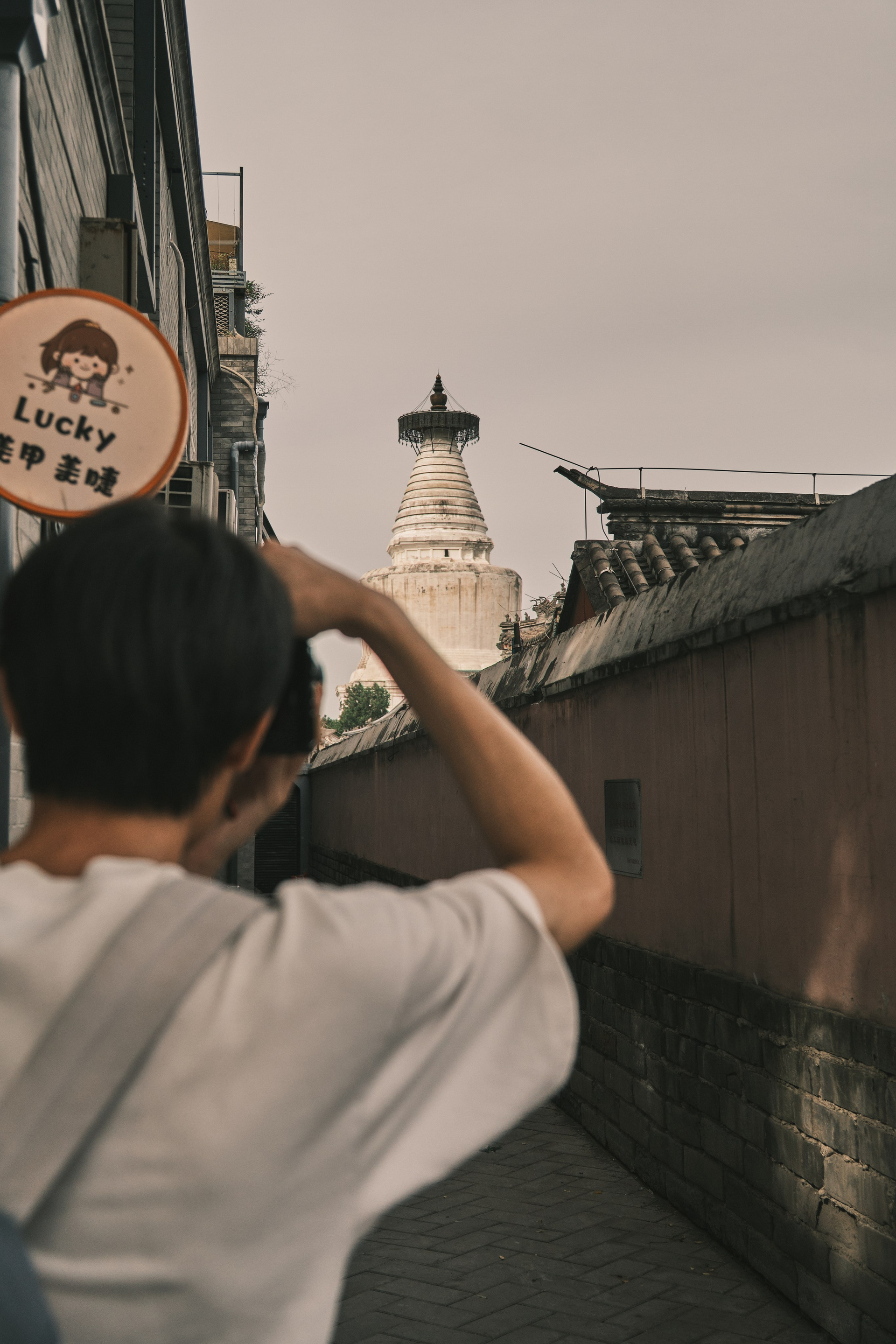
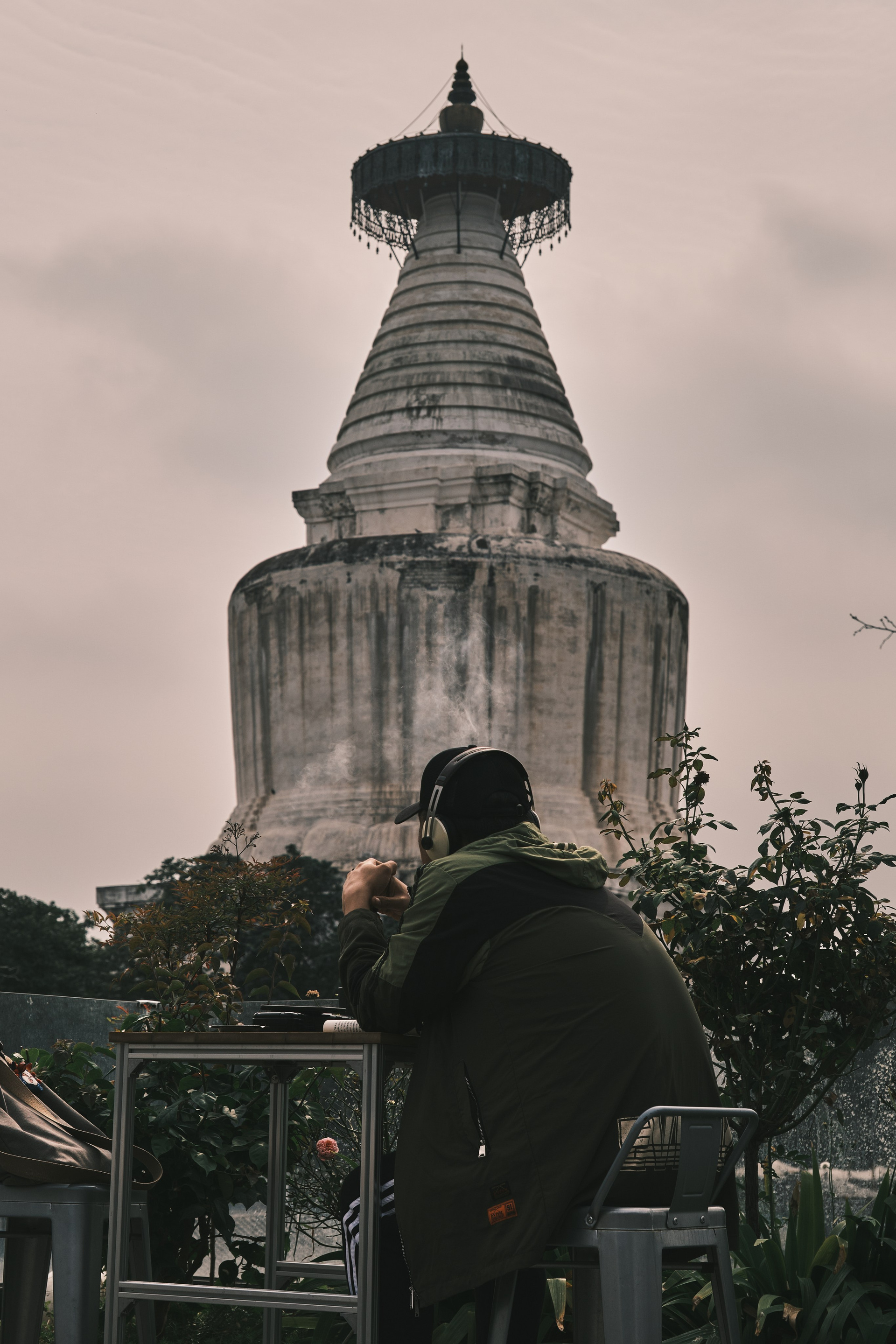
And outside the window, a view of the Miaoying Temple pagoda.
Food, conversations with my wife, and this view—a moment when you just want to be and watch.

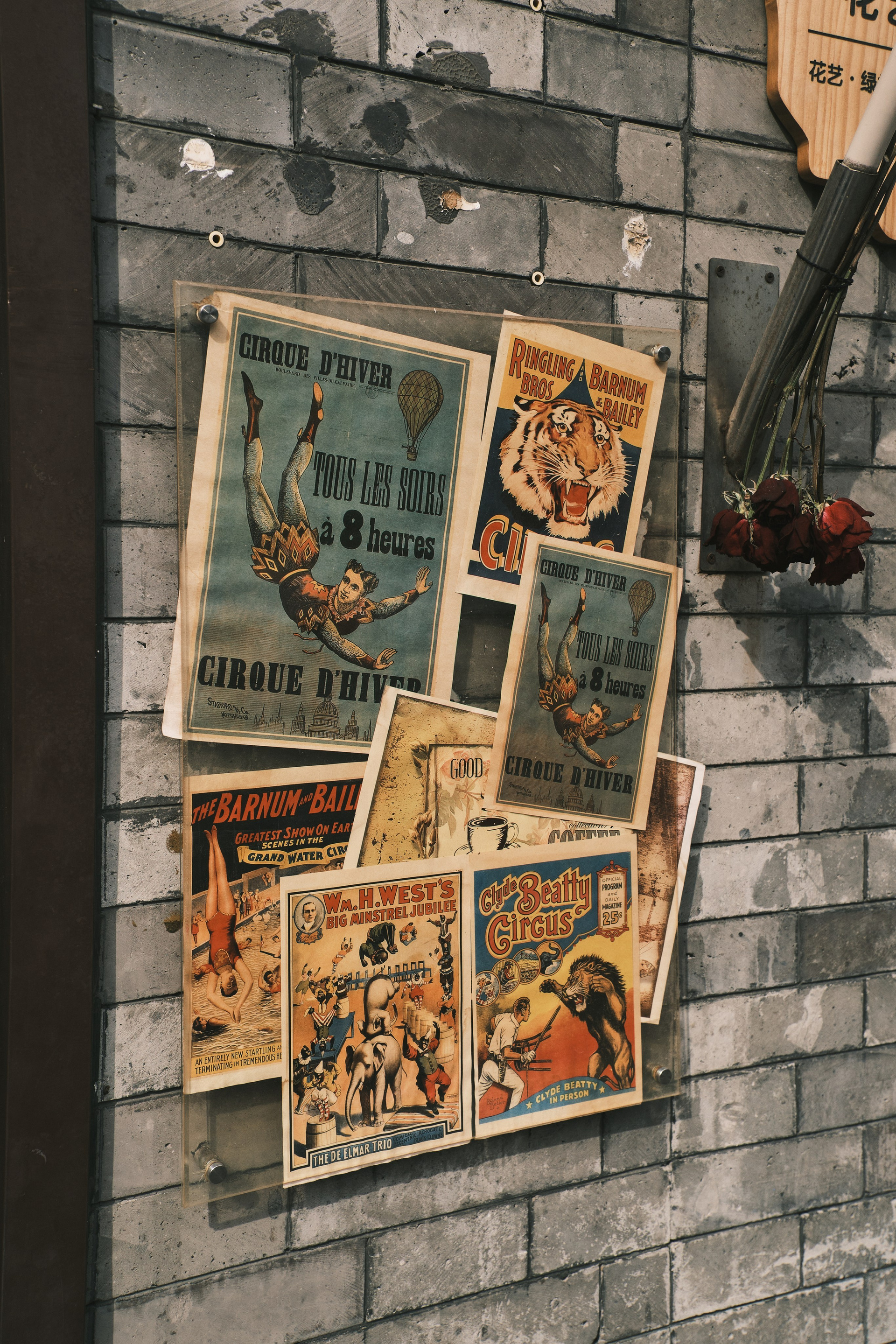
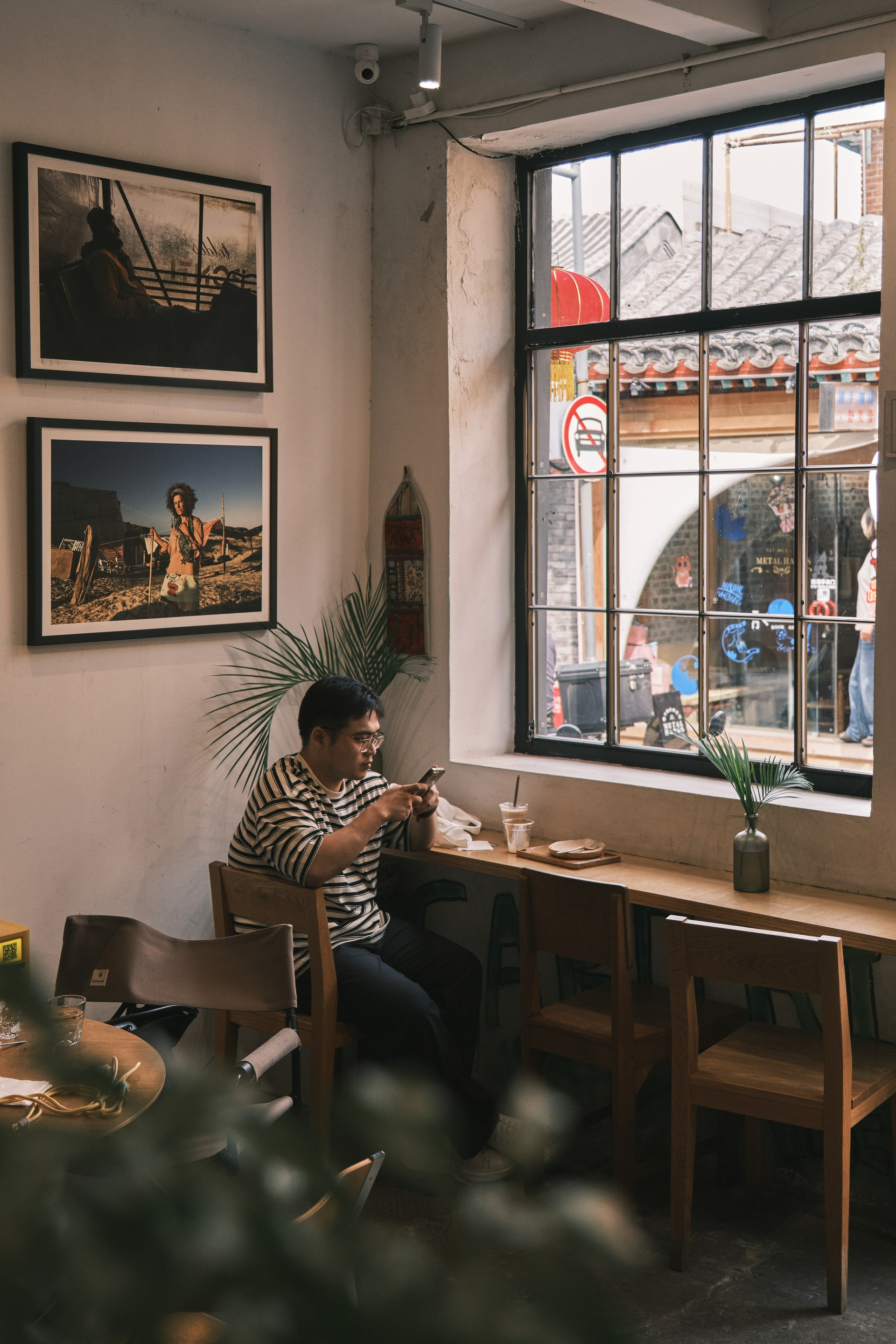
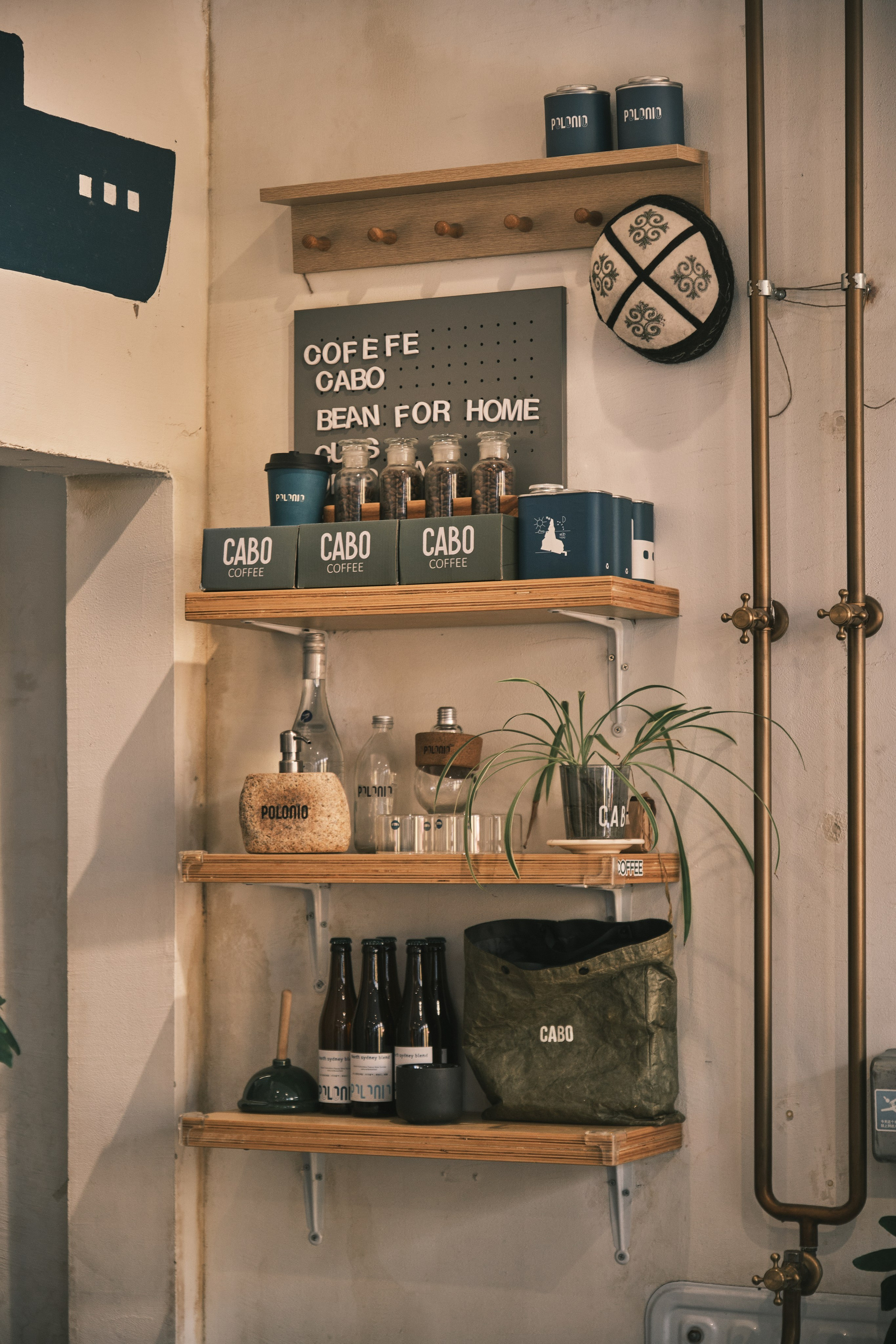


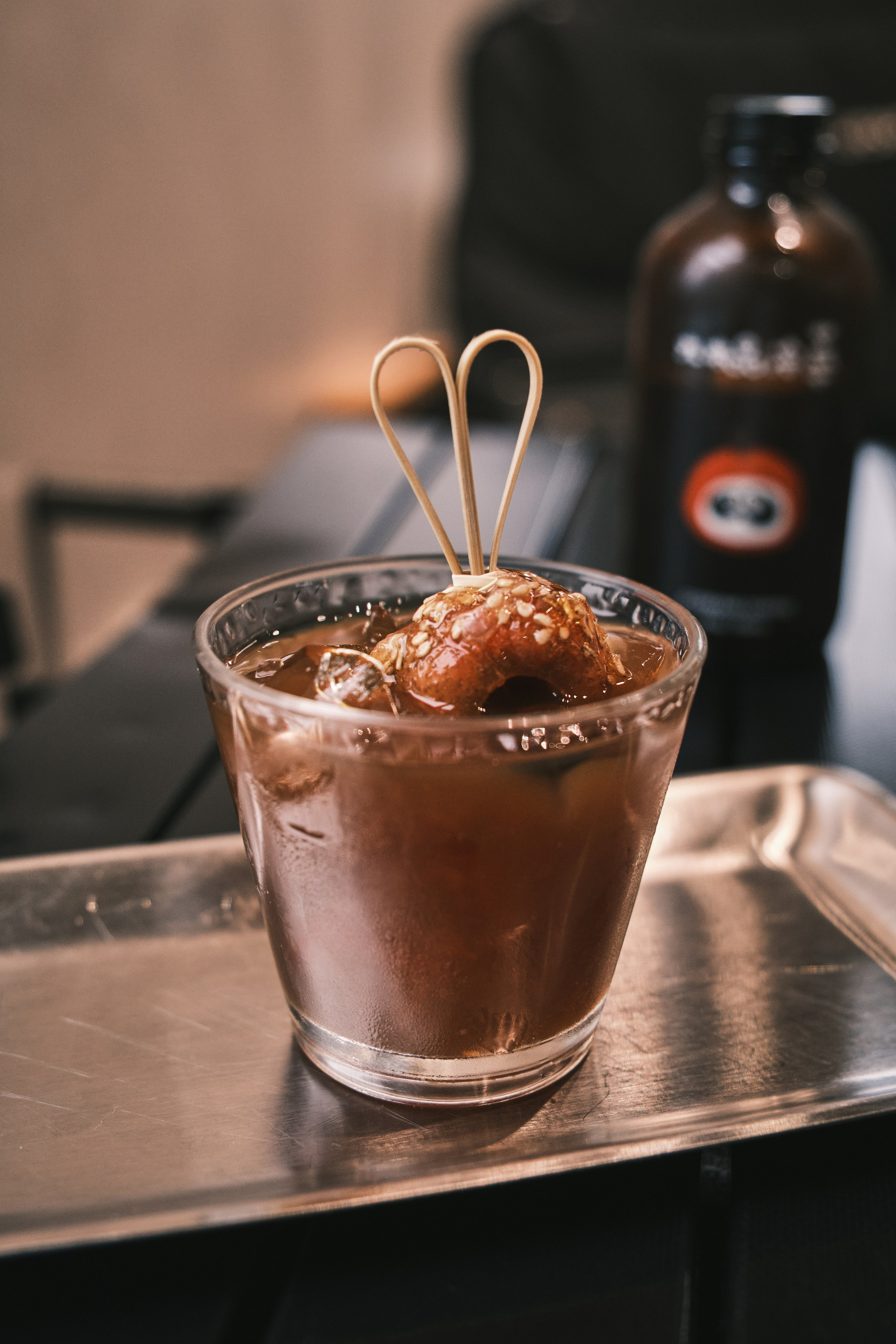
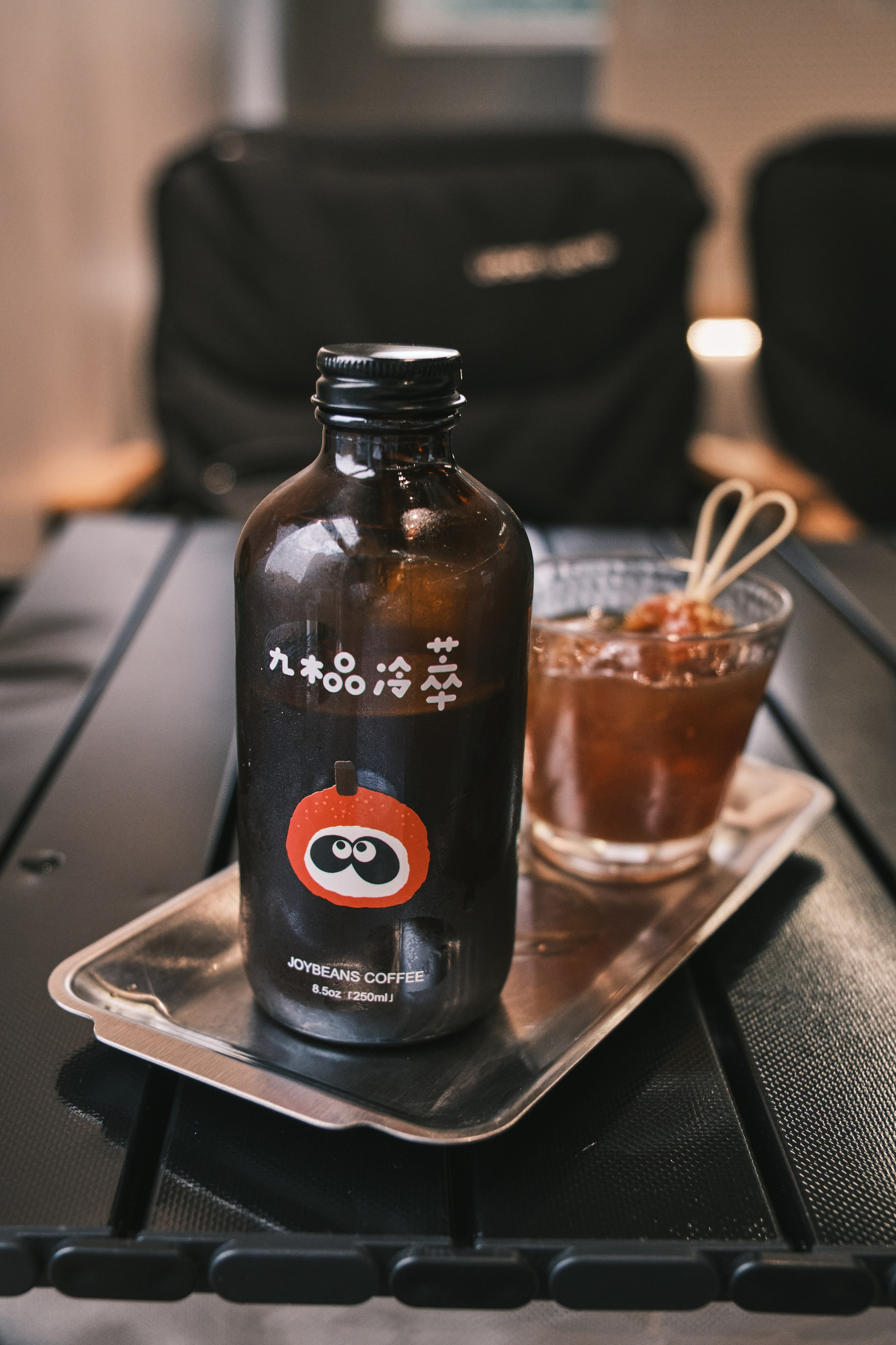
Next on the list was the second coffee shop, Joybeans.
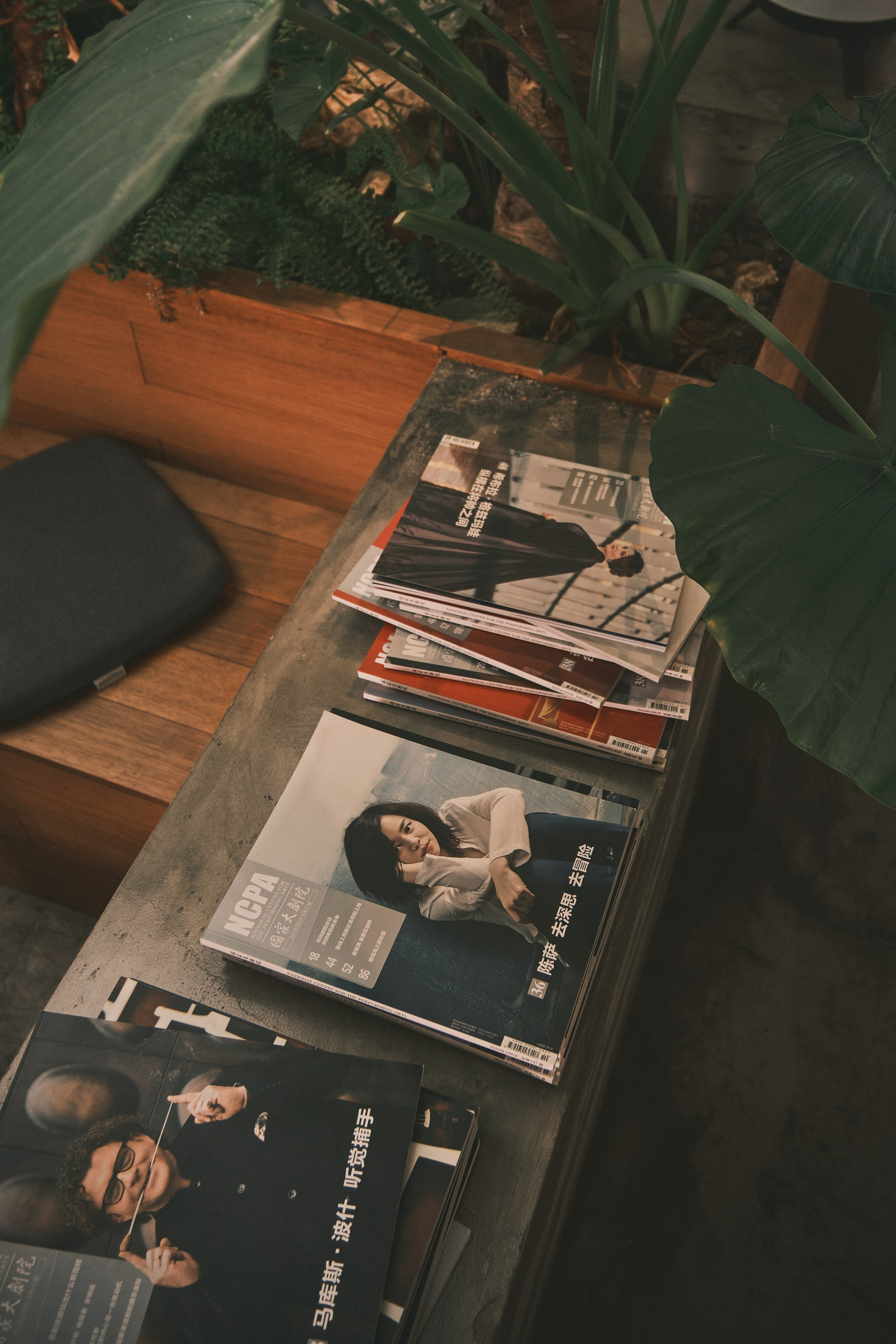
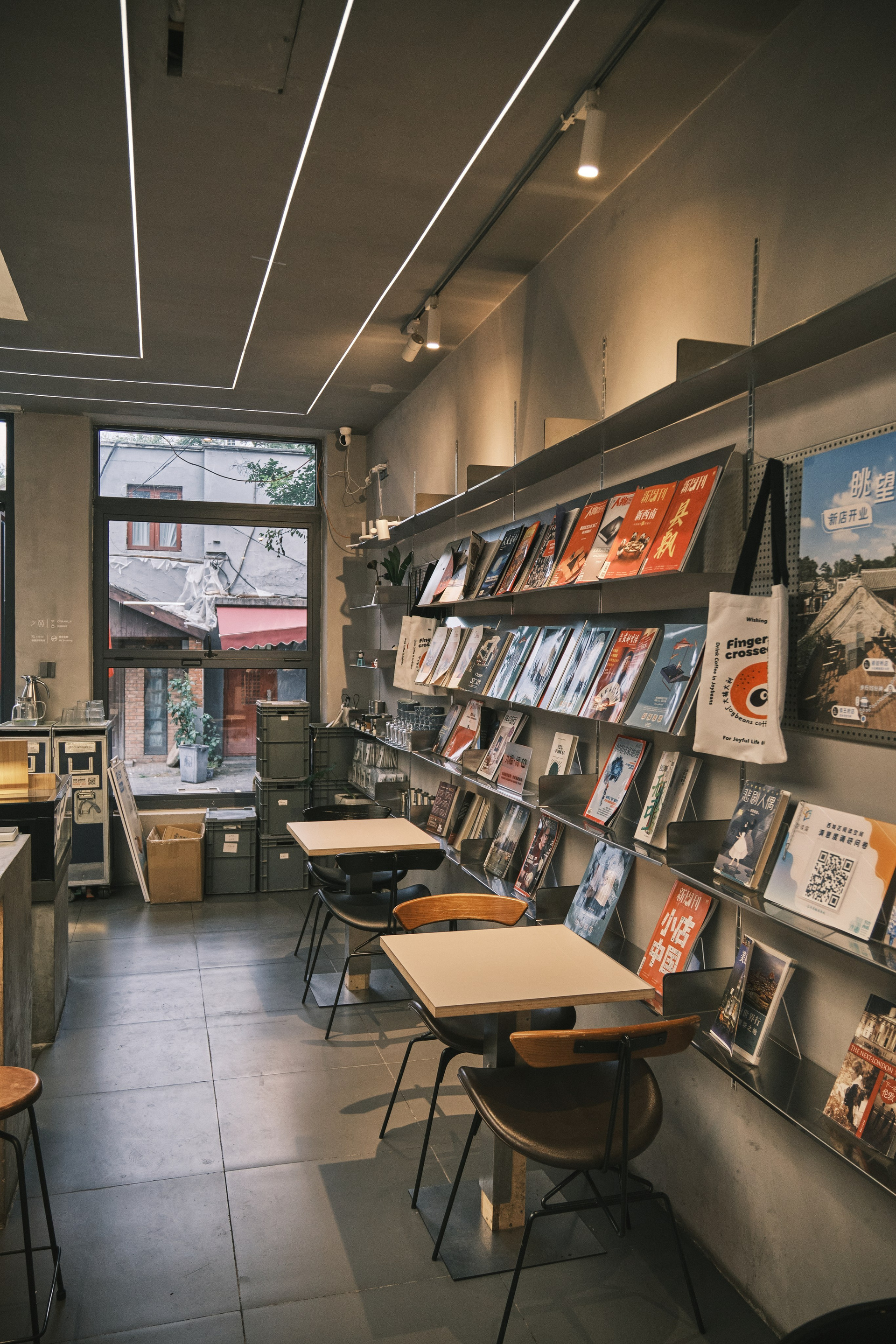
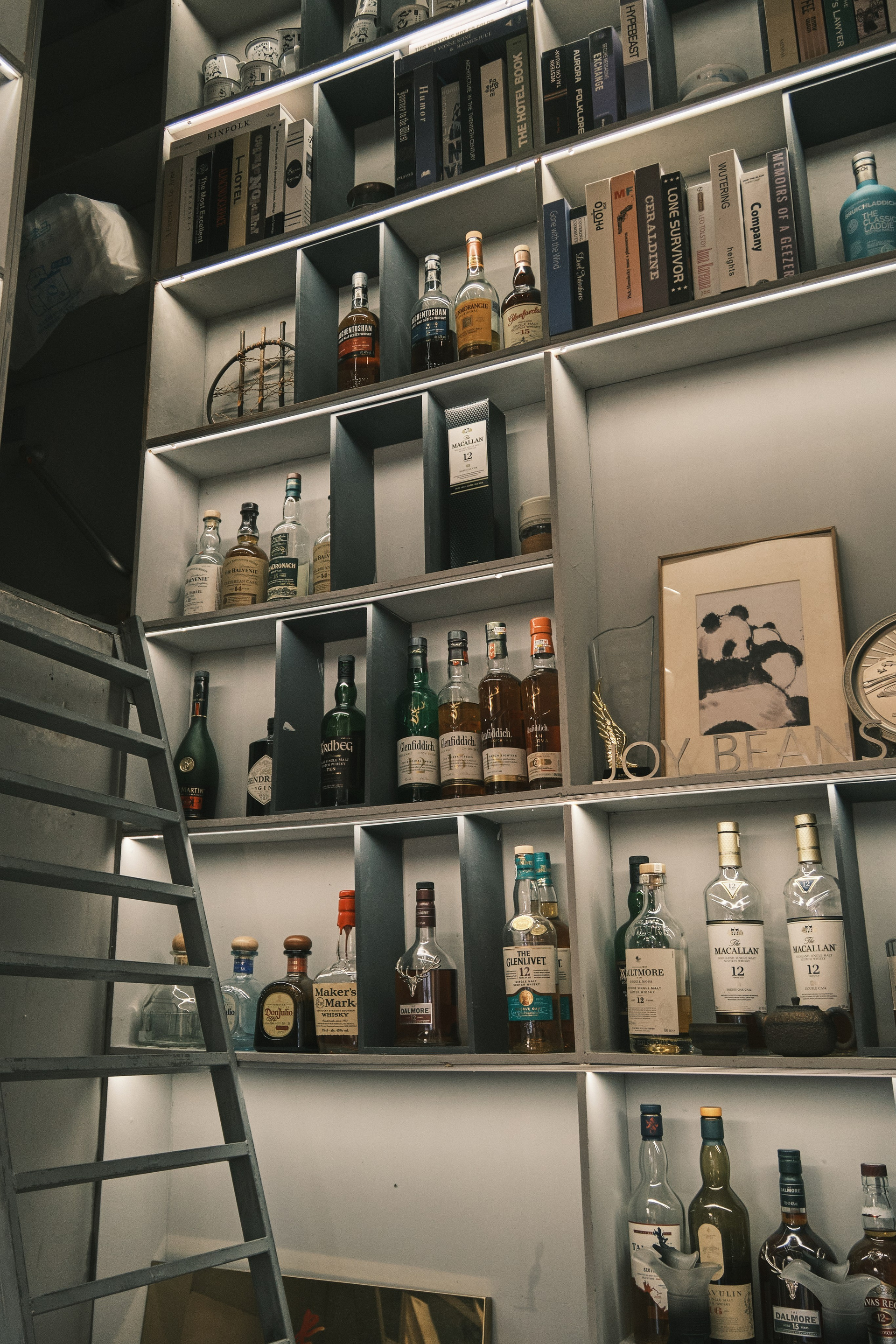
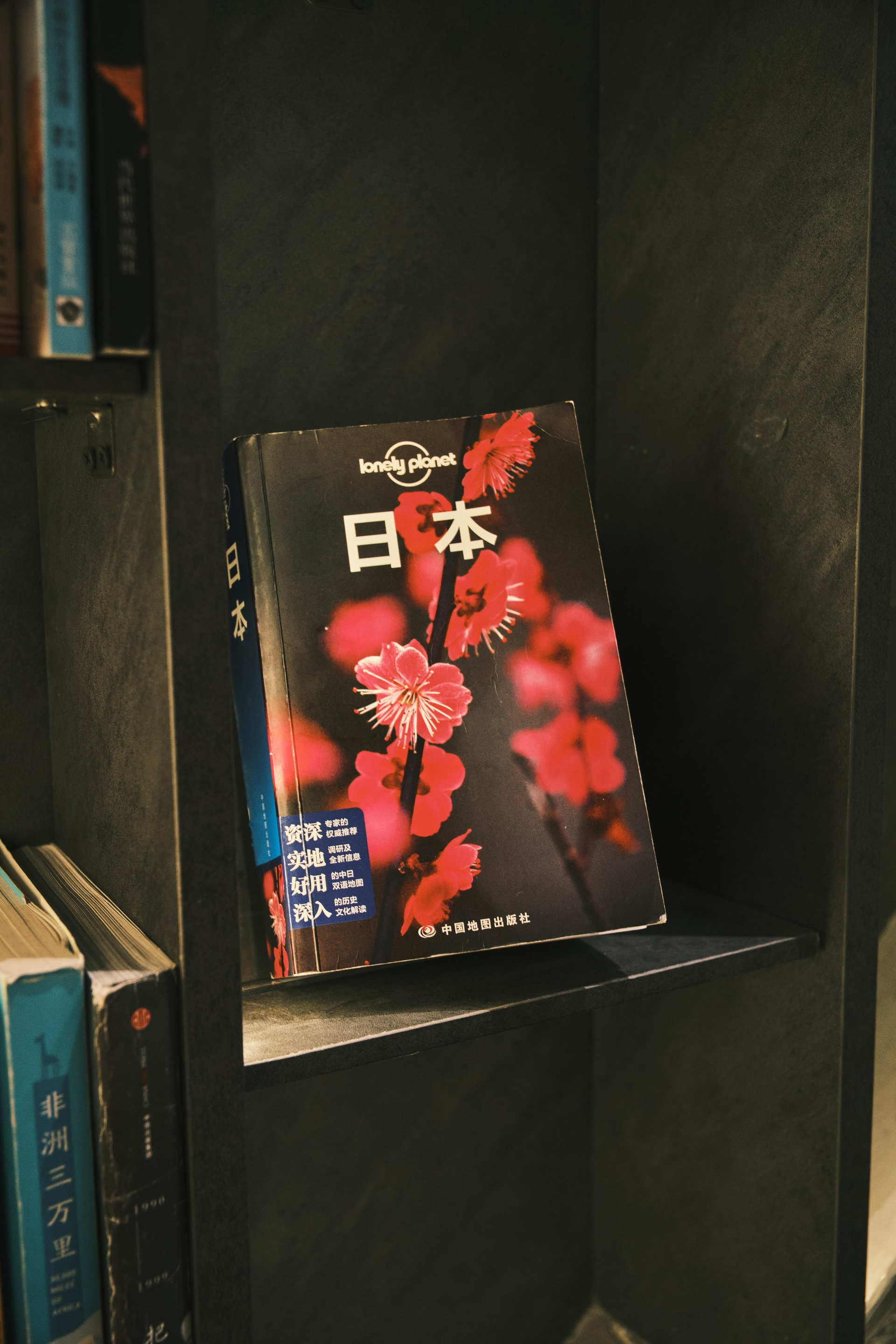
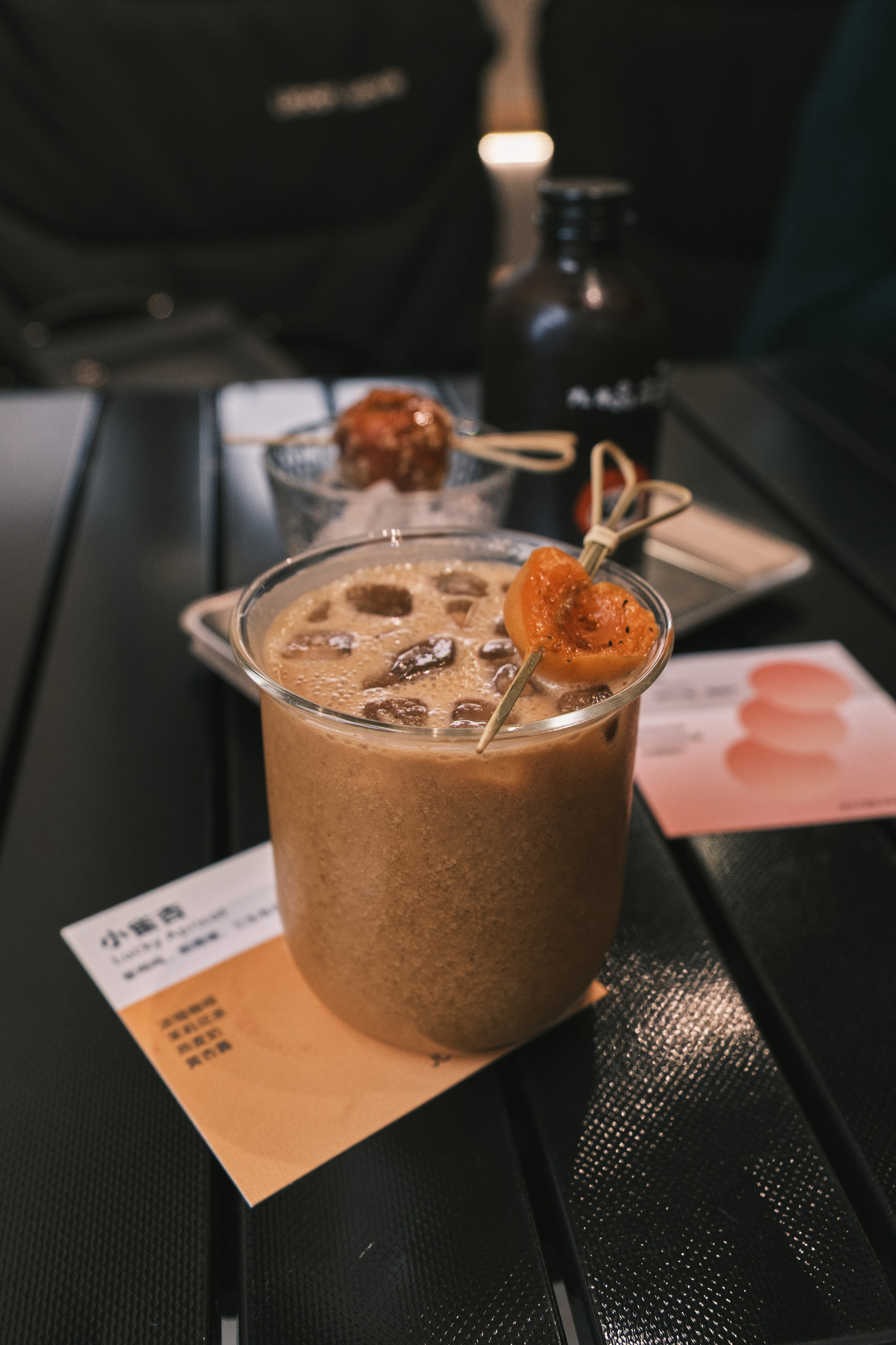
The interior has character: shelves full of books, soft lighting, a green rooftop veranda where it’s nice to escape the city noise. The menu features interesting coffee drinks, not just classics.
Downstairs is a work area with wide tables and electrical outlets, where you can sit quietly with a laptop.
And here’s the second part — with a strange selection of low camp chairs and tables.
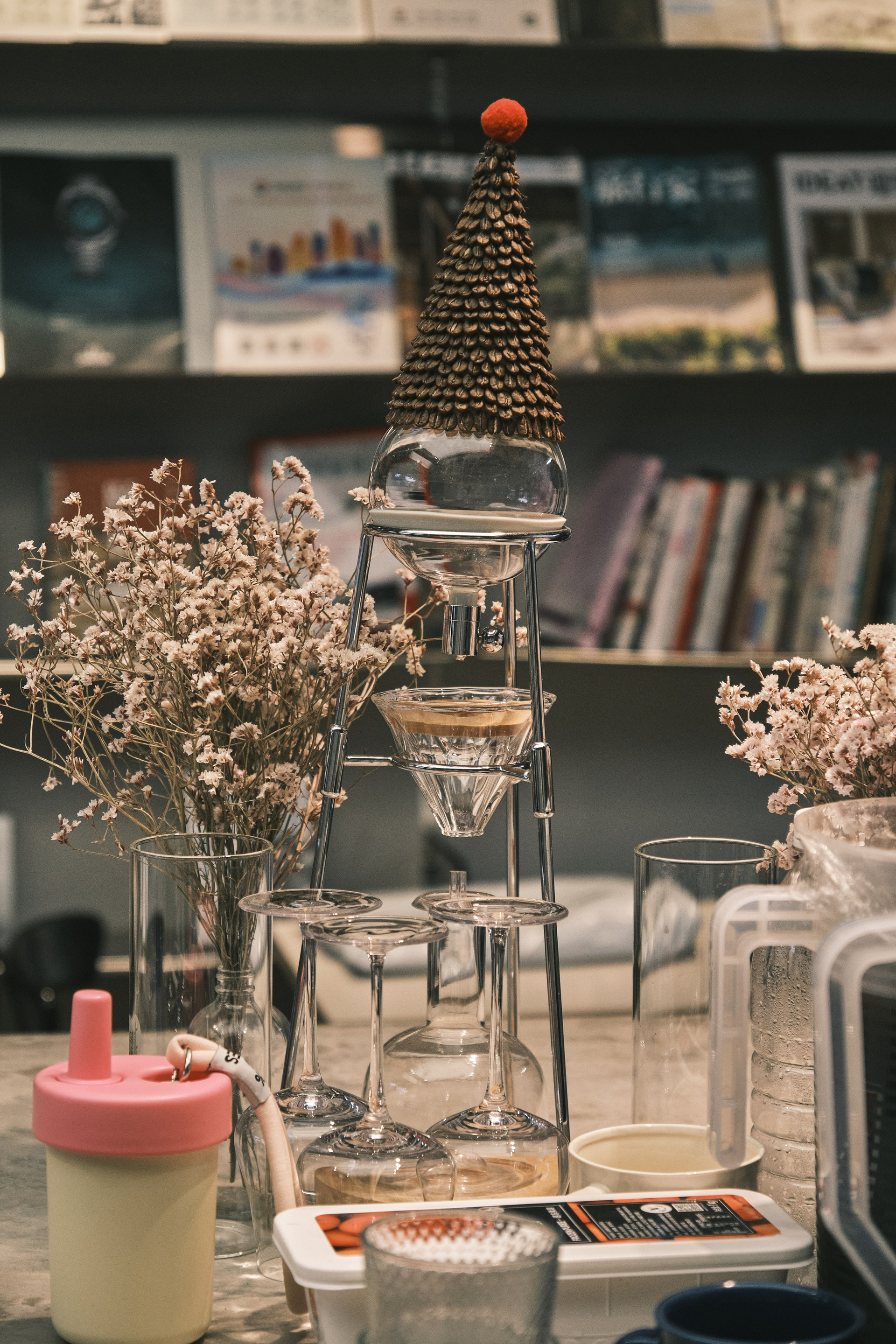
When you can taste it even through a photo.




Day Two. The Great Wall of China
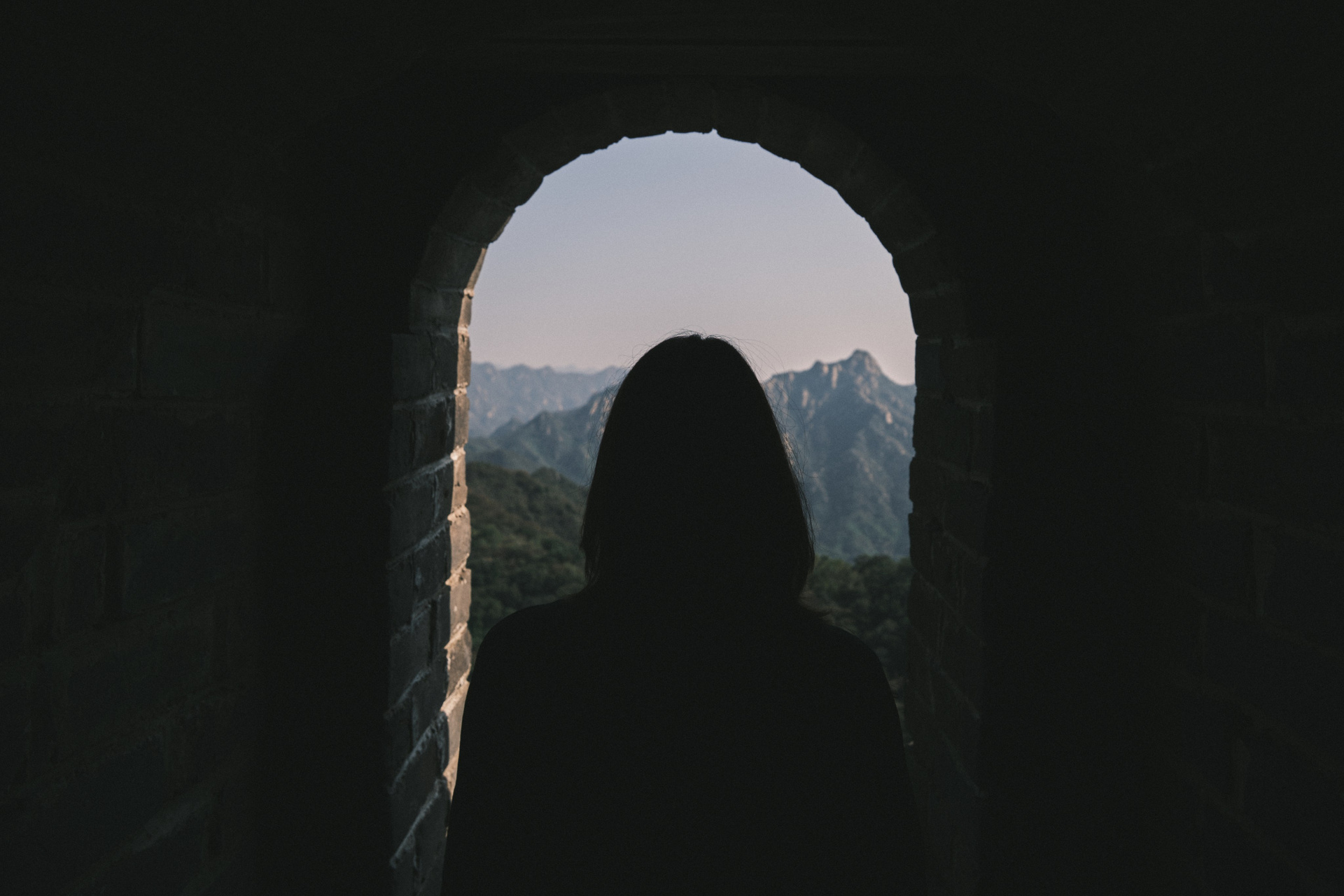
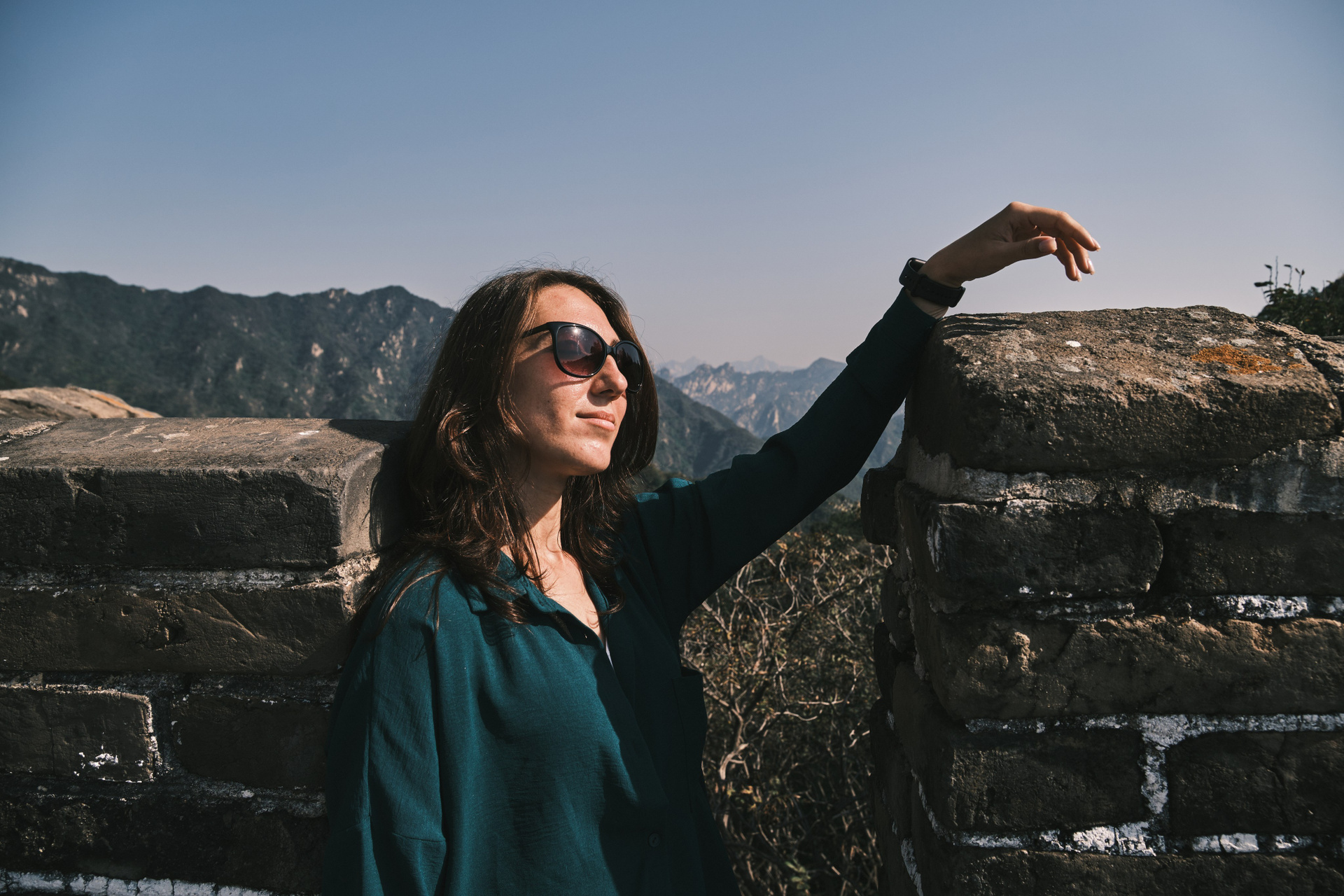
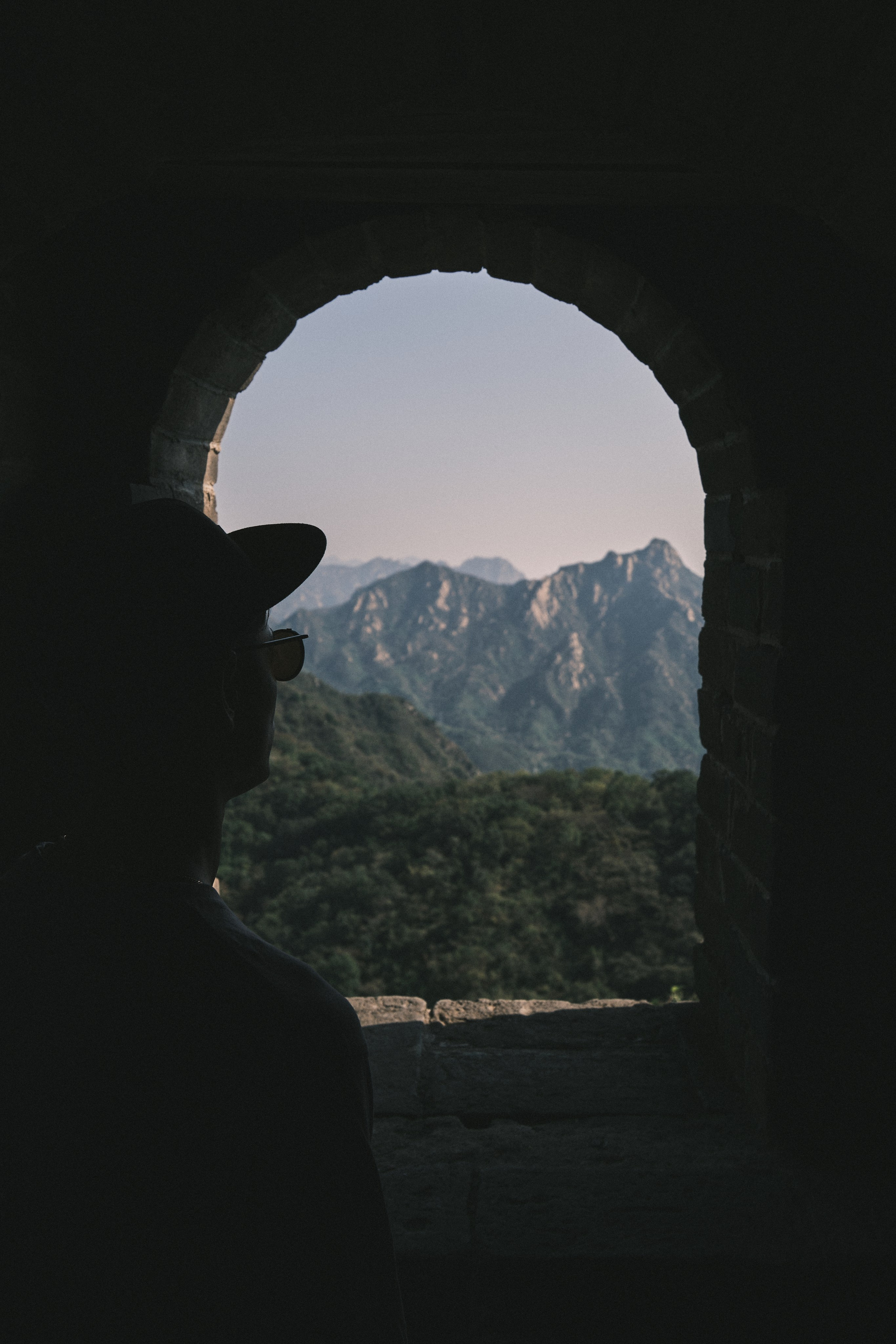
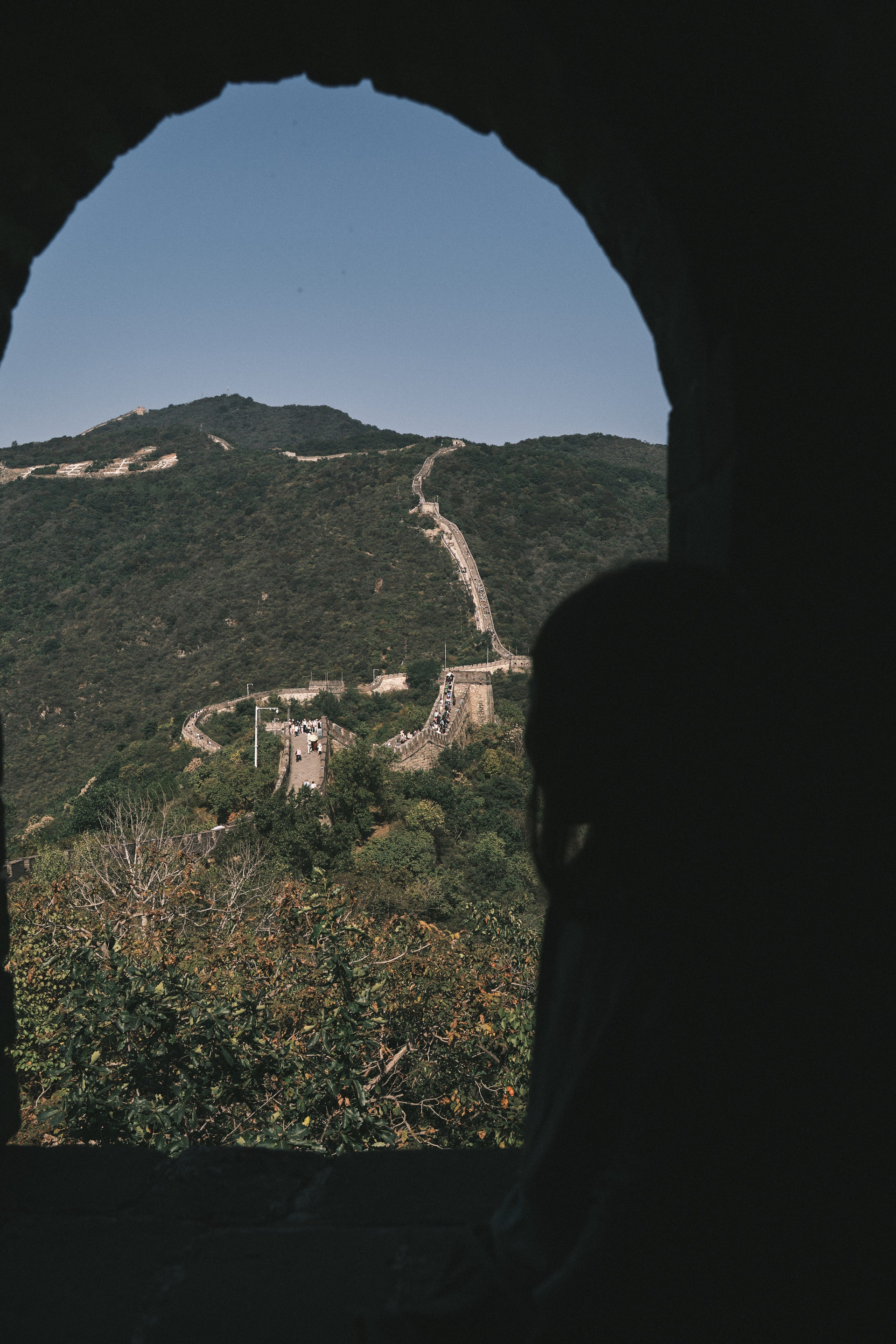
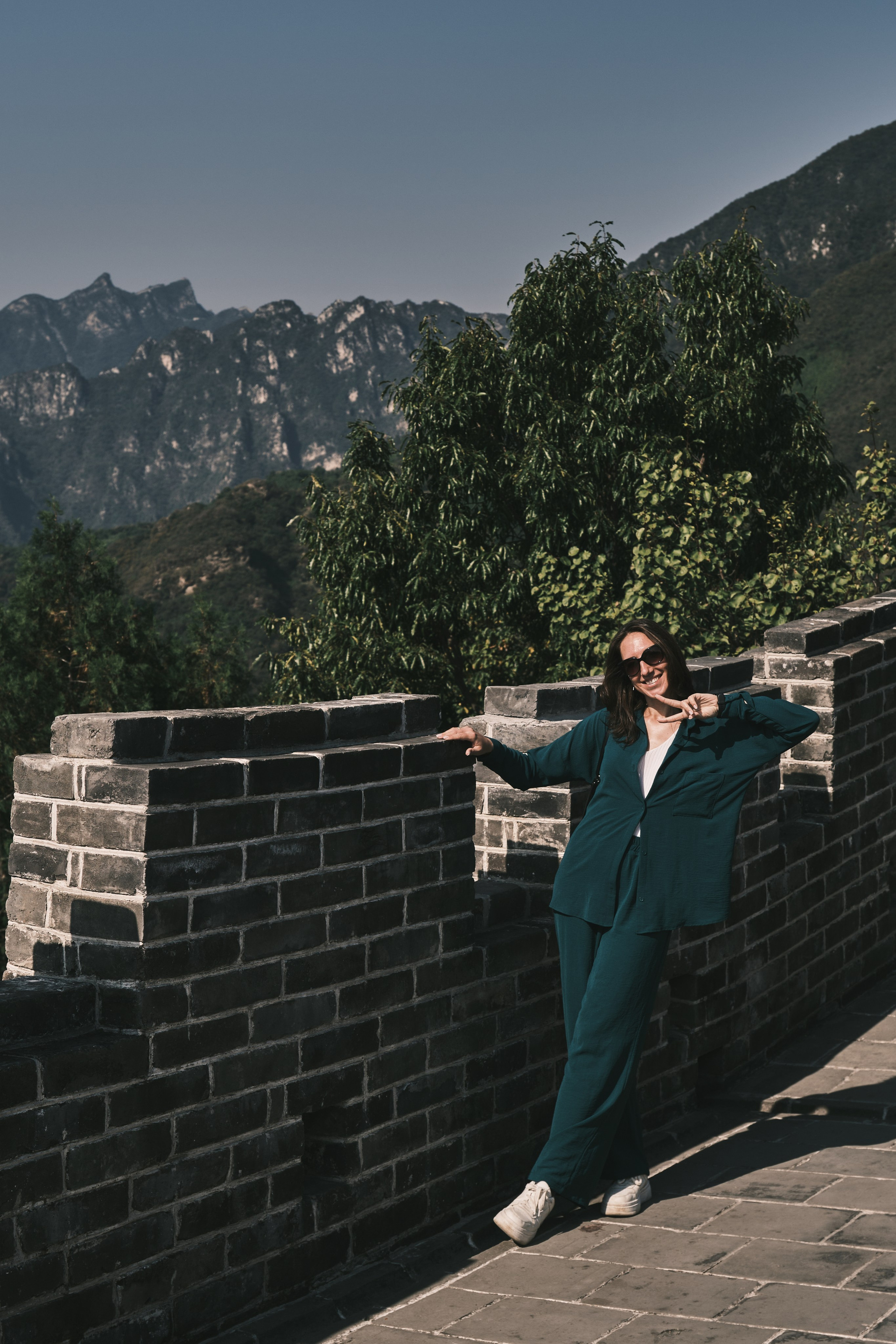
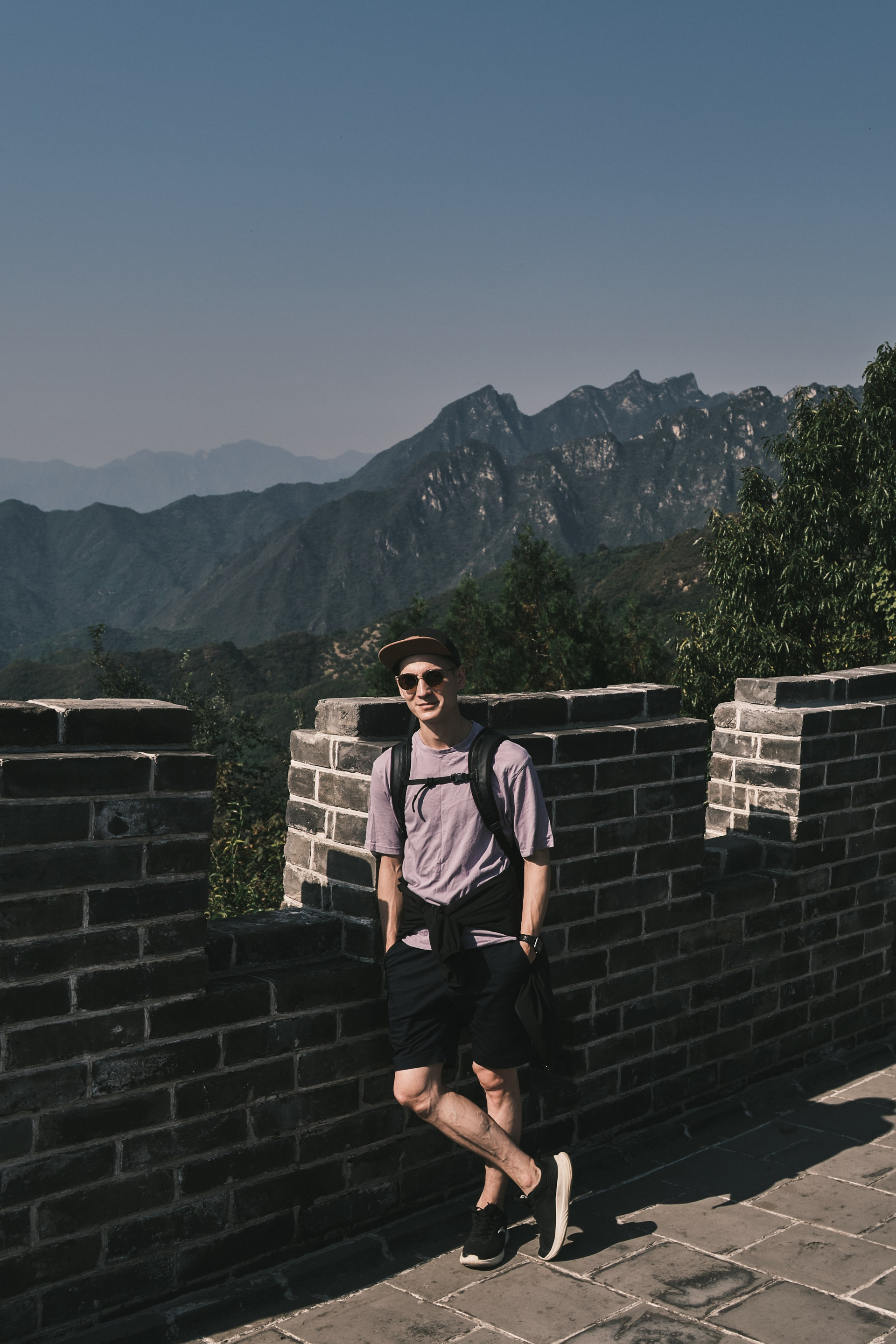
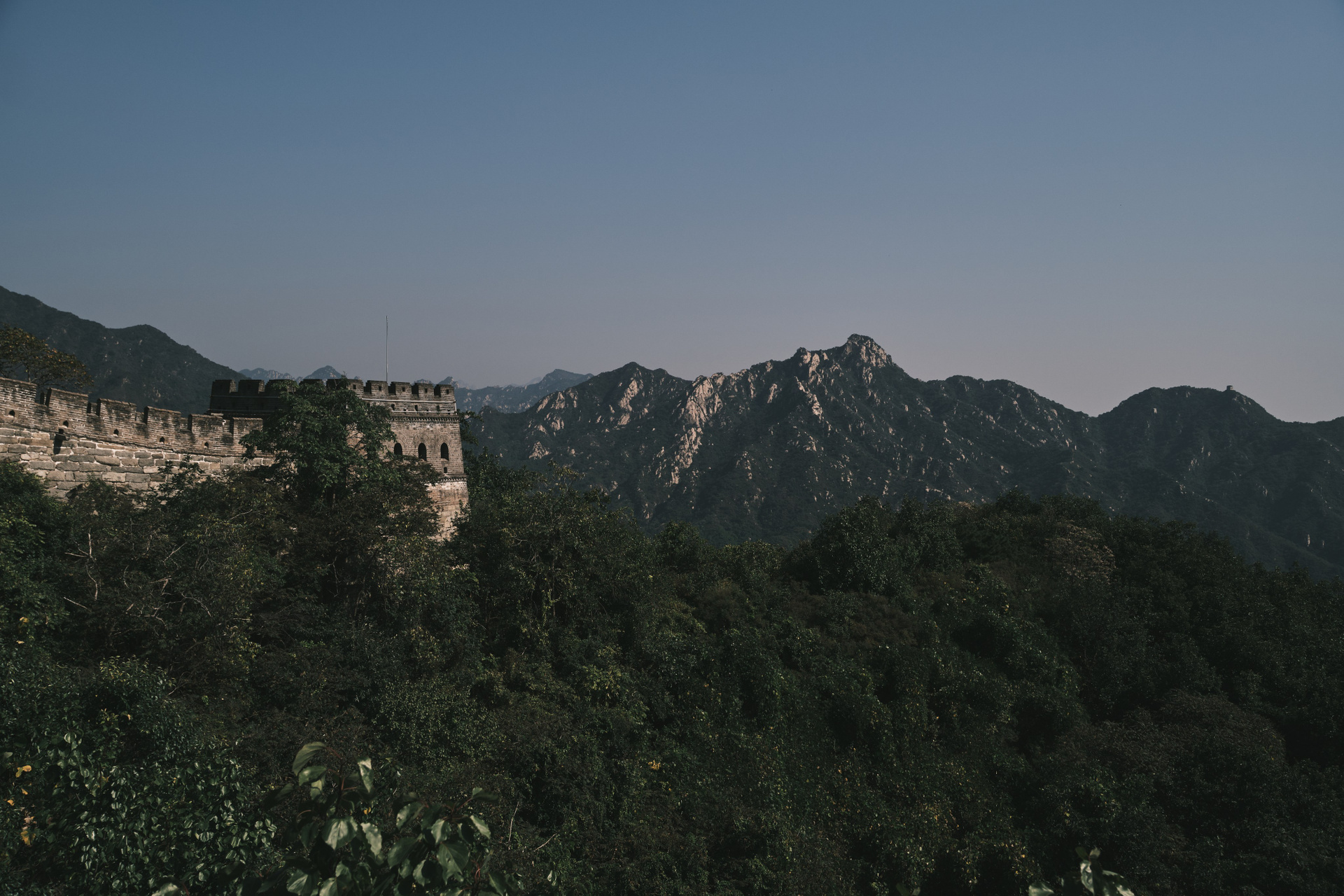
On the second day, we set out to conquer the Great Wall of China.
We woke at 5:45 AM. We had half-cooked noodles for breakfast, and then we were on our way.
We took a taxi to the meeting point through still-sleeping Beijing, the sun gently waking the city. A couple of hours of driving with Imminence headphones in, and we were at the foot of the Great Wall.
There were a huge number of people on the wall, despite our choice of the “less touristy Mutianyu section.” At first, we ambitiously decided to hike up the mountain one way and then the other. But a few towers later, stuck in traffic jams where we had to wait for 10 minutes just to get through, we decided to quickly head back to the descent point to avoid missing our departure.
But to get down, we had to wait another hour in line for the toboggan. And all for a five-minute ride. It’s worth trying once in a lifetime. We later learned from the guide that we were lucky: a couple of days earlier, other groups had spent five hours getting there and standing for just as long just to get to the top.
After the wall, we finally had lunch—our stomachs were making themselves felt regularly. Oh yeah, we’d gotten food poisoning right before the trip… So every meal was like a mini-quest with a survival element.



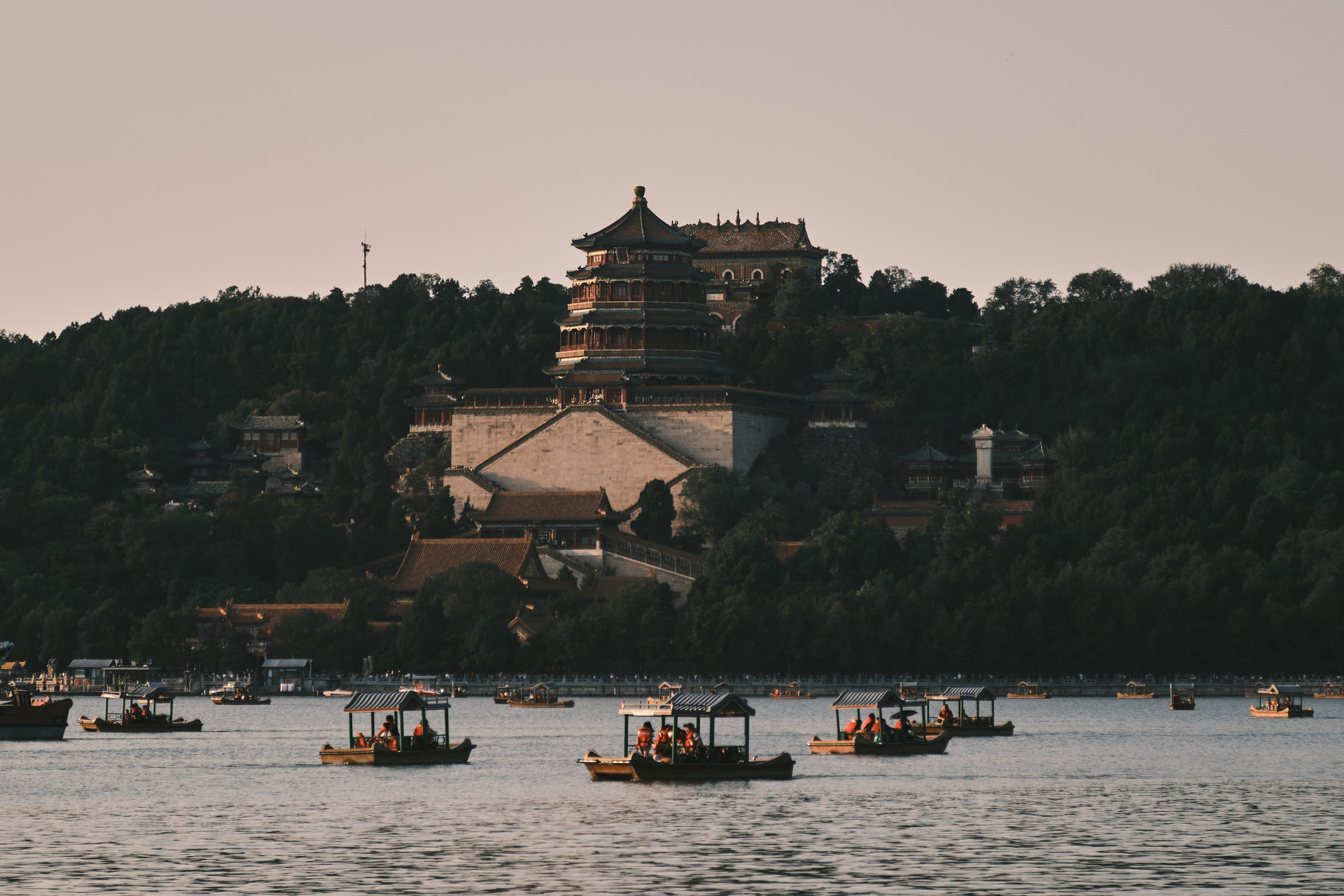
Next came a two-hour drive to the Summer Palace and another two hours in line for the boat. Our guide, Peter, spoke excellent English and shared fascinating facts about Chinese history, recommending places worth visiting, and kept us busy.
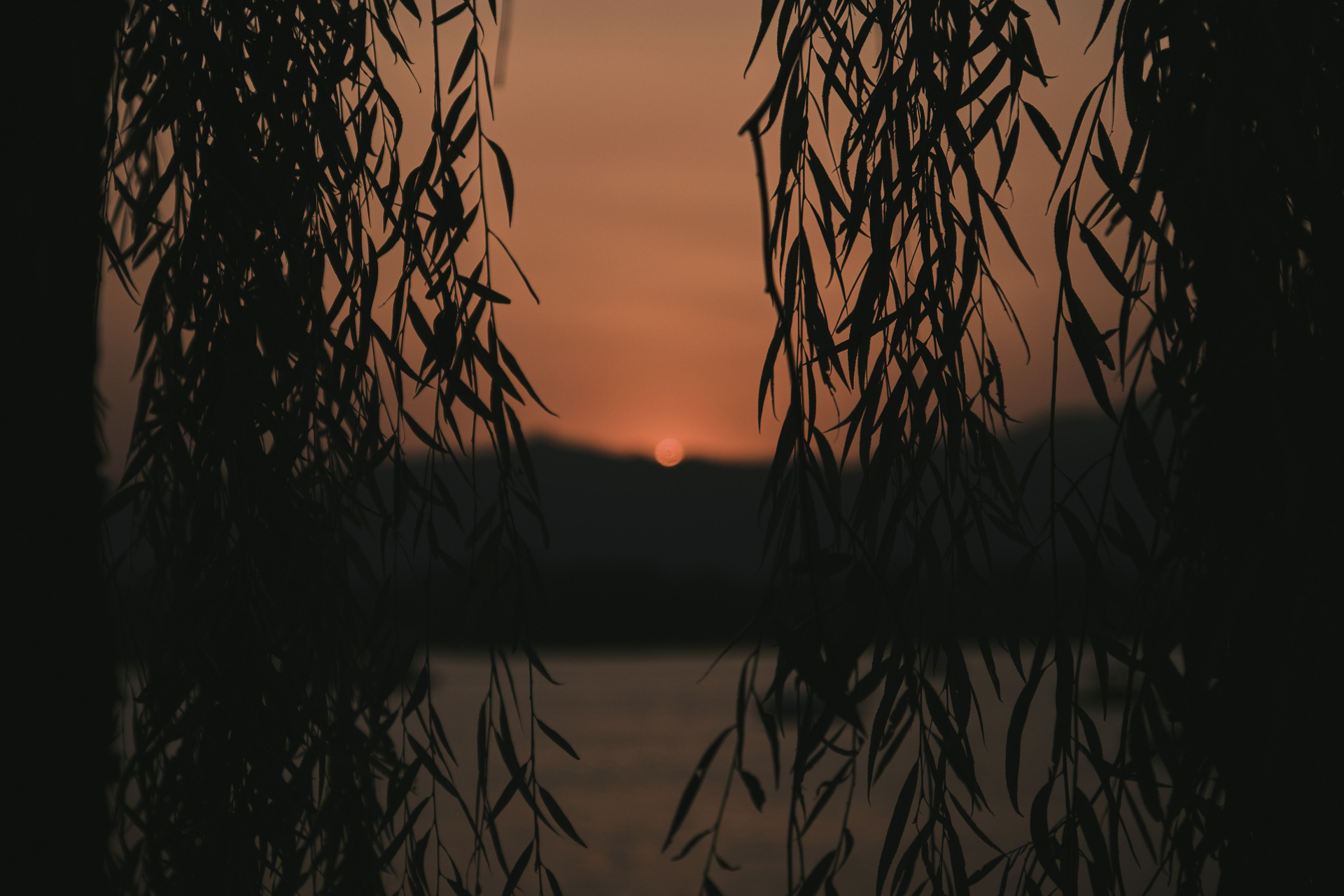
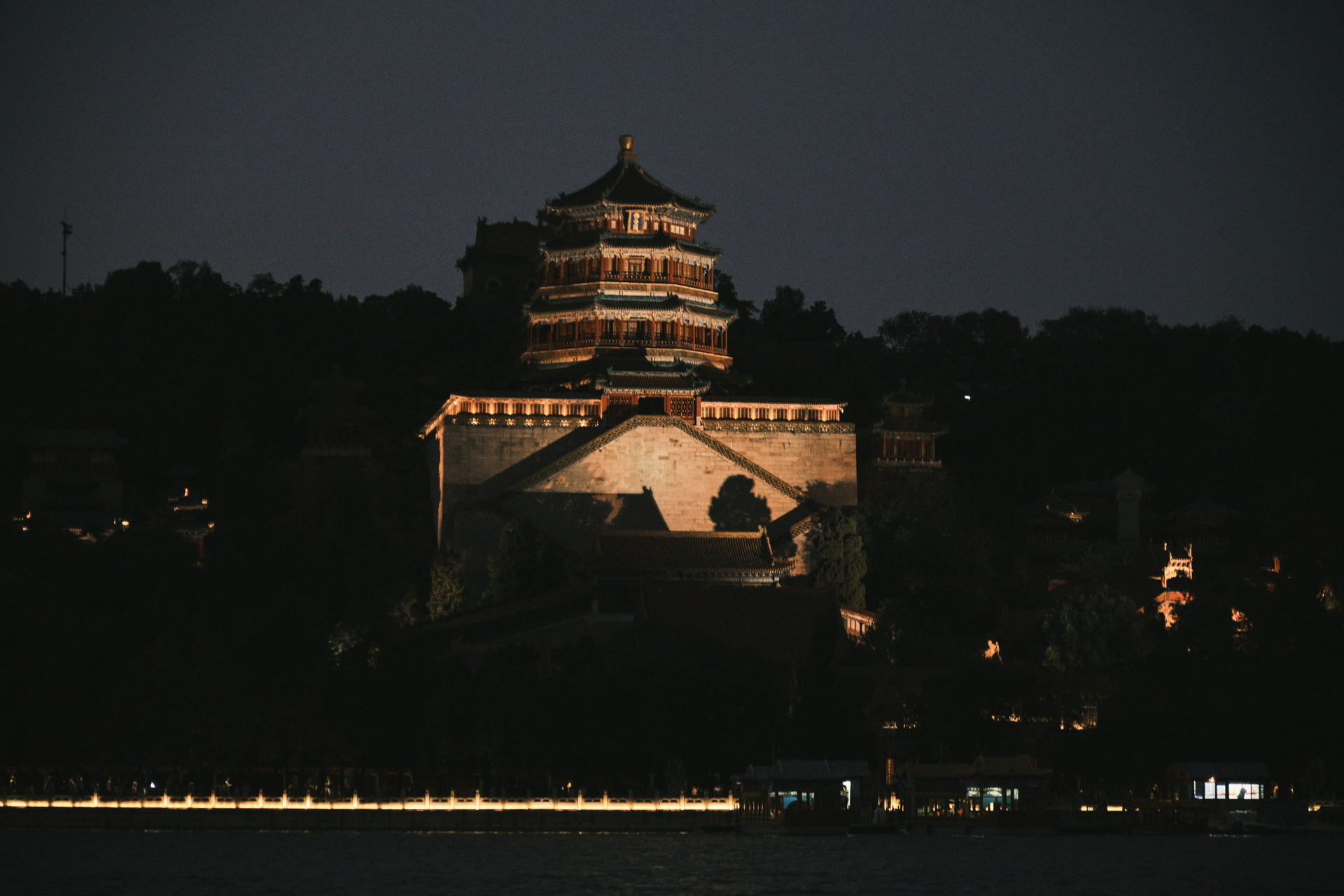
It turned out we arrived during the height of a national holiday, and it felt as if all of China had gathered there. By the time we finally boarded the boat, it was already dark. And at that moment, with the moonlight and the palace reflected in the water, everything looked truly magical.
Even Peter admitted it was his first time seeing the palace at night—and that was lucky! Finally, we walked along the longest wooden corridor in the world, once used by the emperors of the Qing Dynasty and their families.


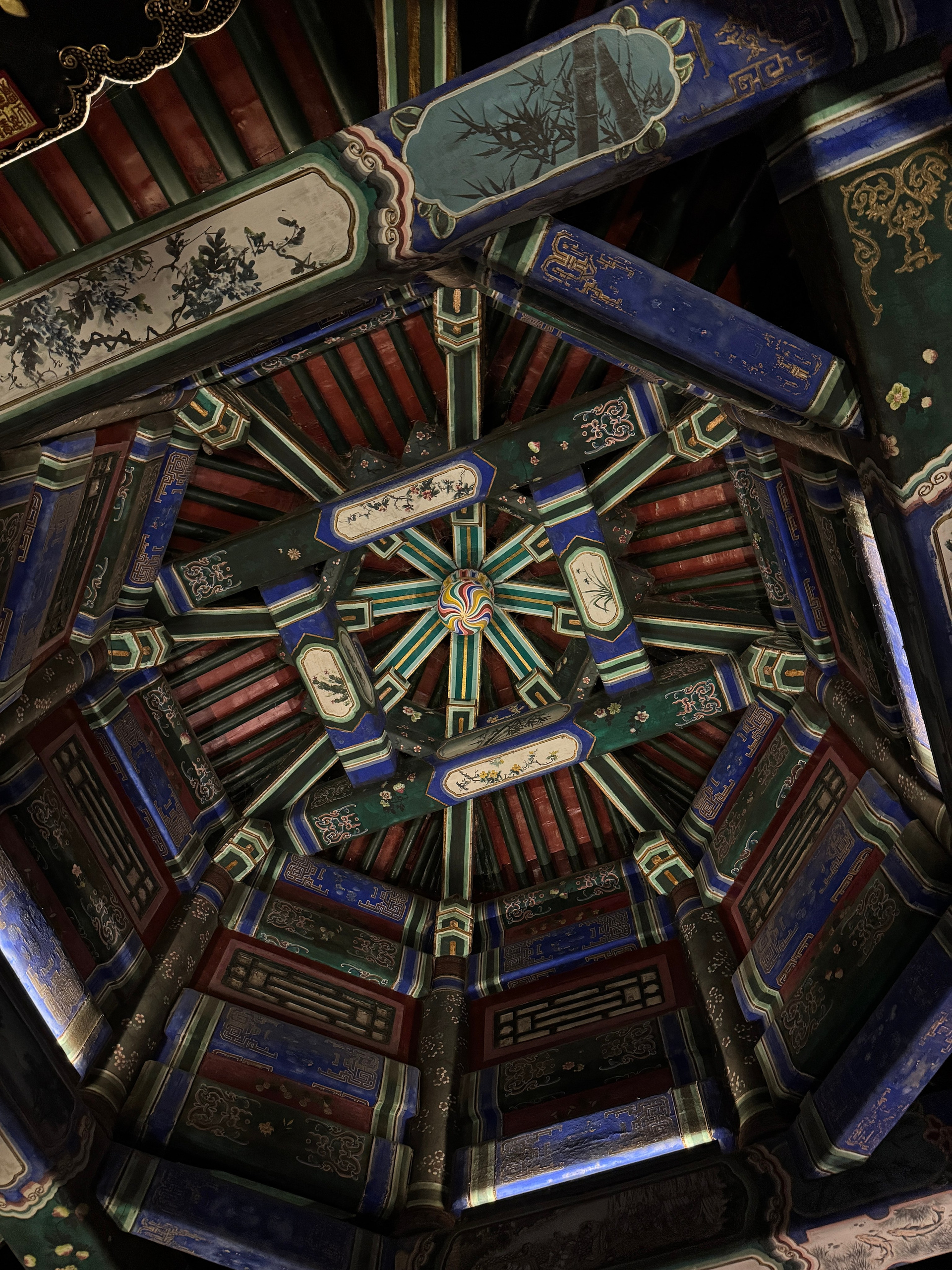

When the tour came to an end, I asked Peter for a good restaurant recommendation. We stopped at a store along the way. Interestingly, we didn’t see a single supermarket. The local stores are reminiscent of those in Russia in the 90s: small spaces on the ground floor of apartment buildings where you can only buy cigarettes, water, and noodles.
When we got there, we found ourselves in an authentic Chinese restaurant, seemingly rarely visited by tourists. The menu had no pictures, and the dining room was noisy and lively. The staff weren’t particularly happy to see us, but that didn’t stop us.
We were served tea, but we didn’t drink it. My wife knew about the tradition of washing utensils before eating, so we didn’t make a fuss, and the locals watched us while we underwent a kind of test.
The food was delicious and filling; one serving could feed four.
We dined heartily, left with smiles, and headed back to the hotel to rest after a busy day.
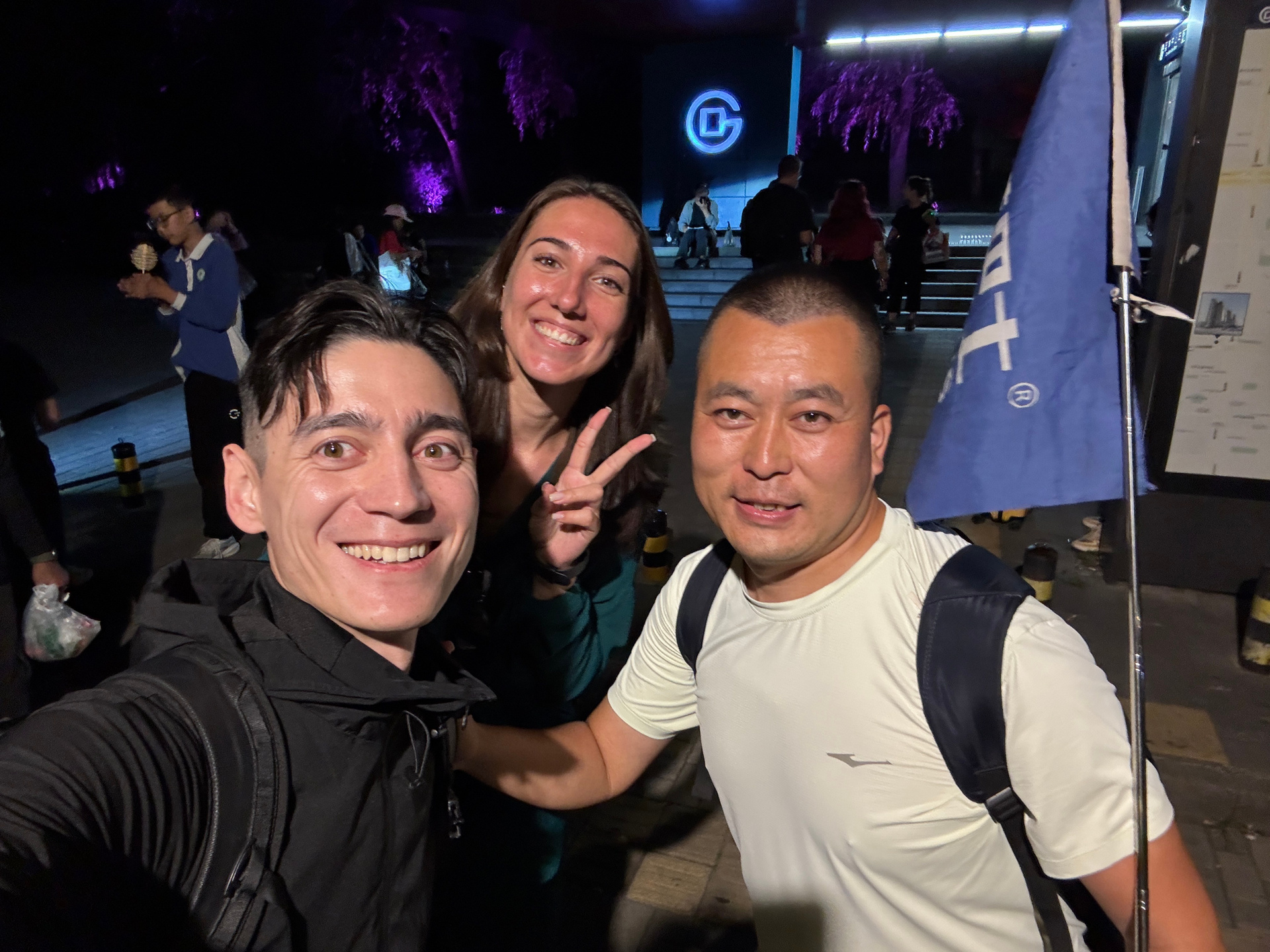
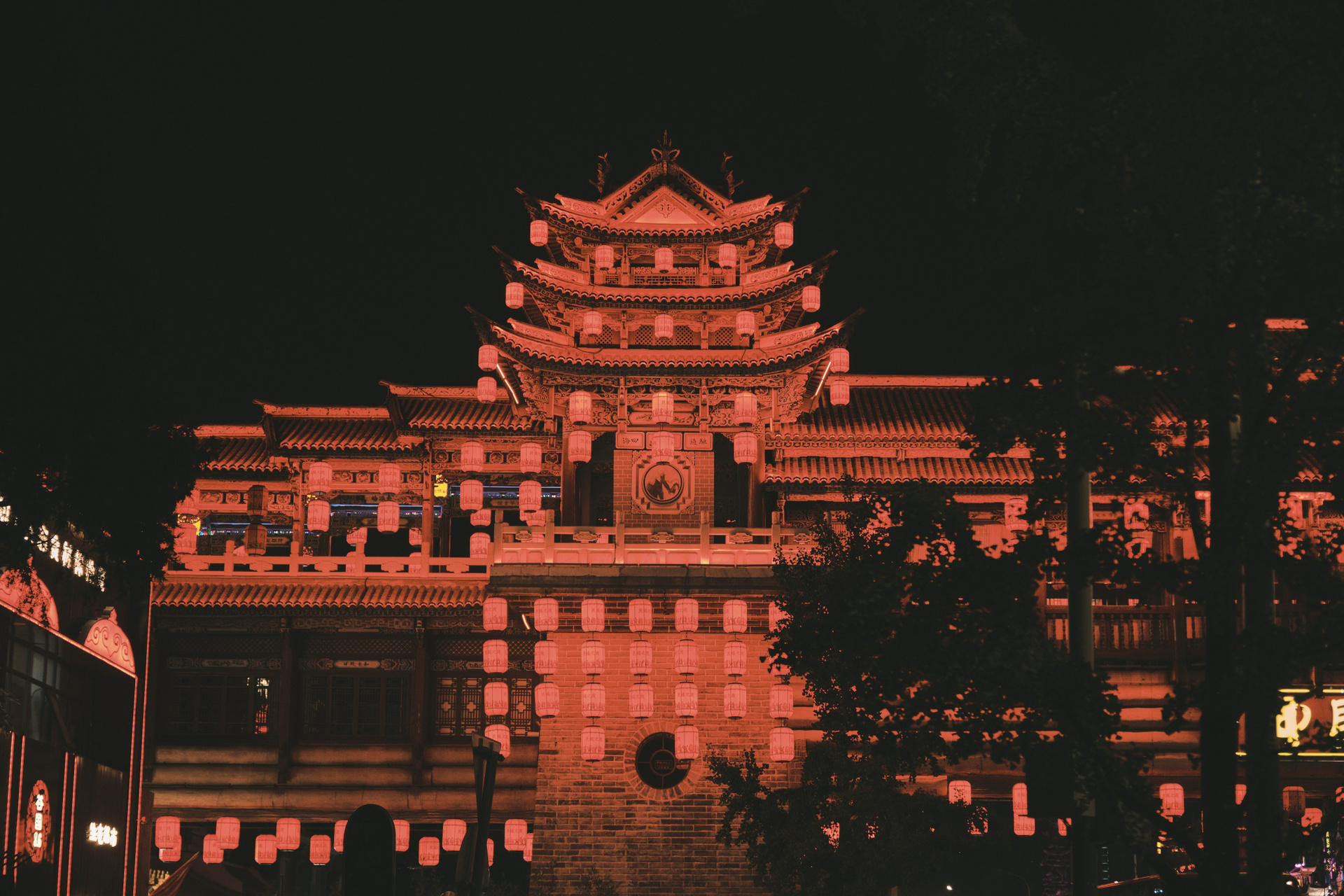
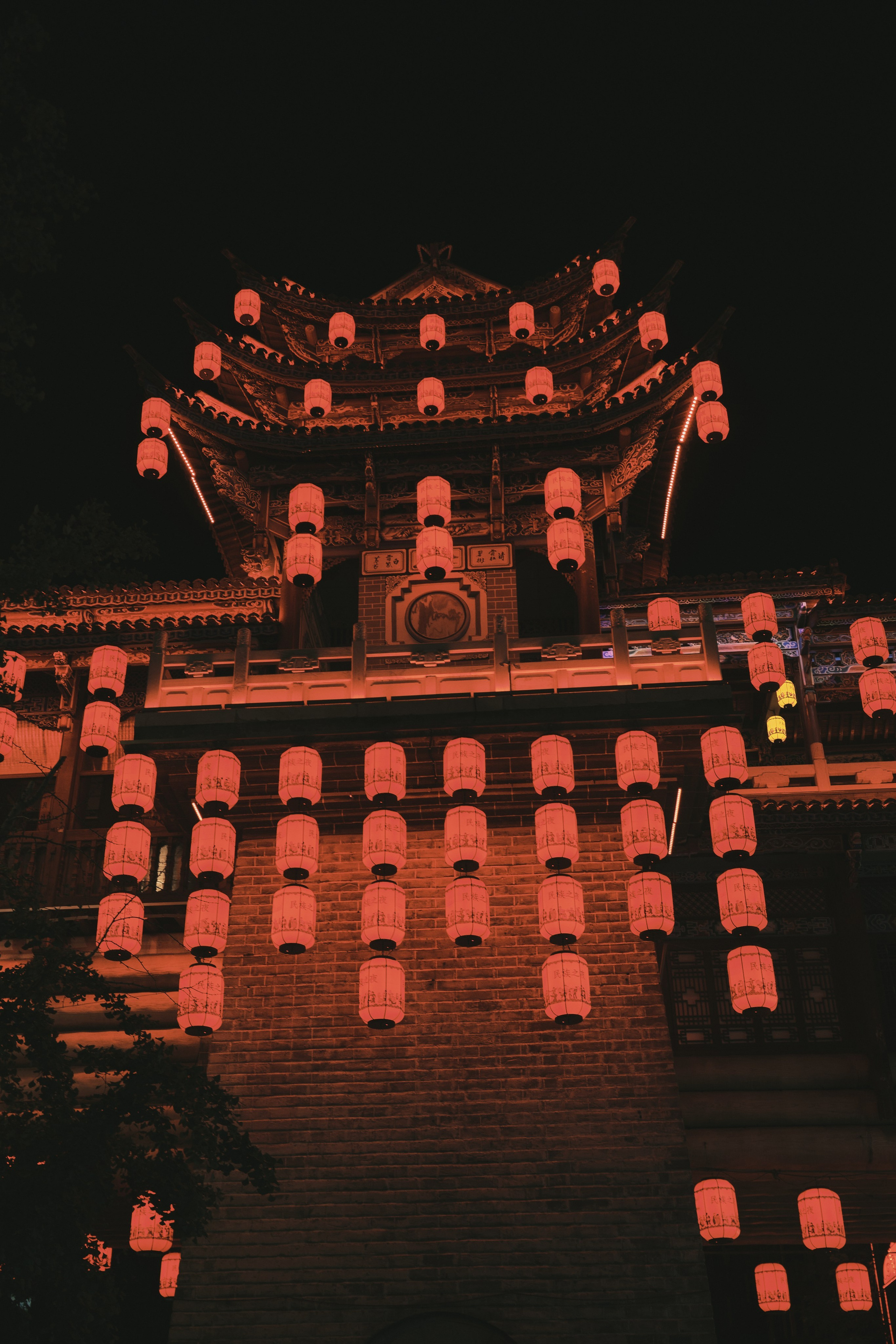

Day Three. Art Space 798
The day began with a stroll through picturesque residential streets and breakfast at a coffee shop overlooking the Miaoying Temple pagoda, where we realized that coffee isn’t all that expensive in Russia.
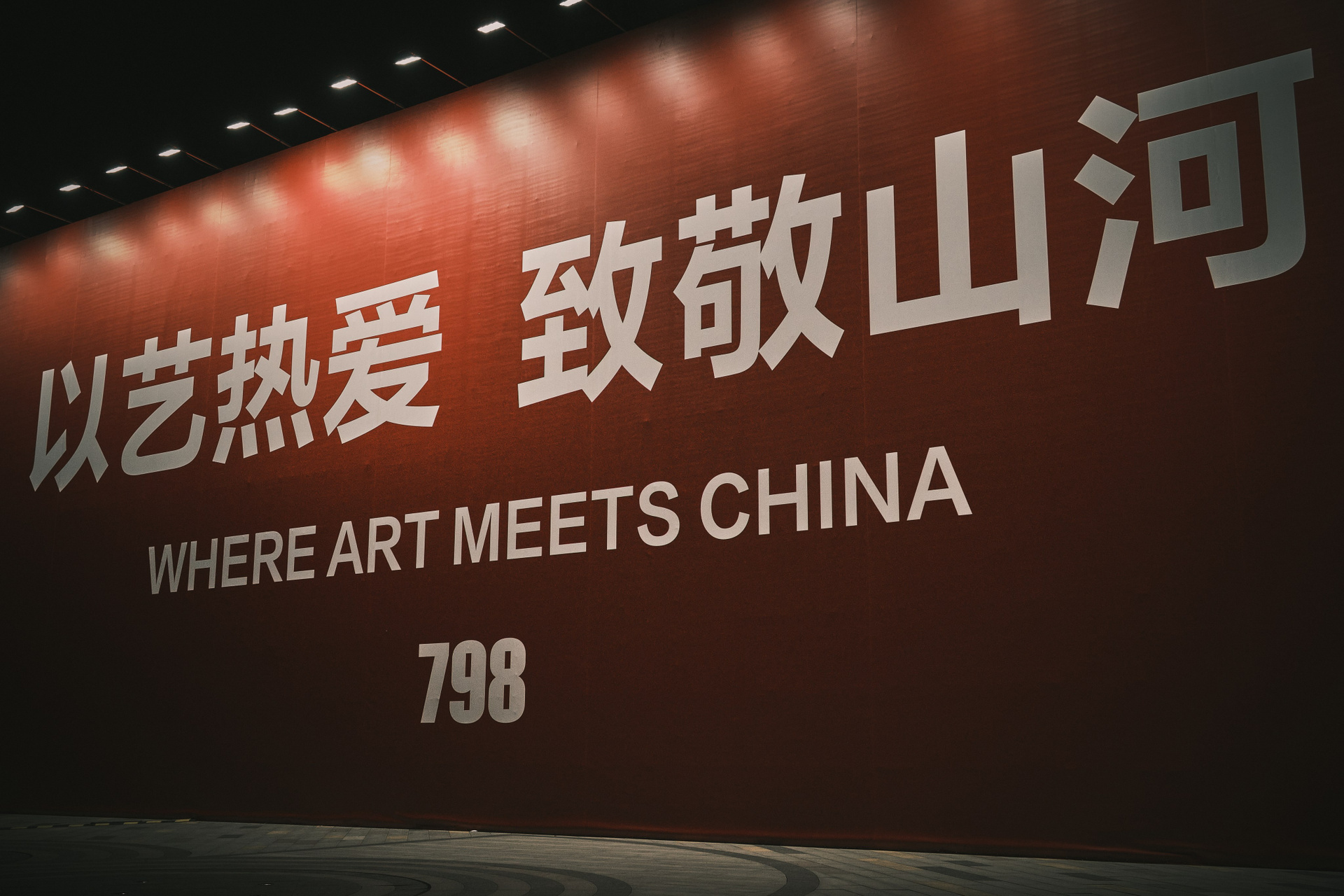
Afterward, we headed to the 798 art space—endless galleries, graffiti, installations, and endless shops. We strolled for a long time and, as always, spent a long time looking for a place to eat.
On the way, I saw a Canon store, and my hunger immediately disappeared. I touched the system I’d been eyeing.
Reliable, powerful, but expensive and heavy. I couldn’t avoid some upgrades; I bought a new microphone system at another store, which I’ll definitely try out soon.
We found a restaurant where the ordering process turned into a mini-stress quest… They explained exactly what we wanted, and it was worth it.




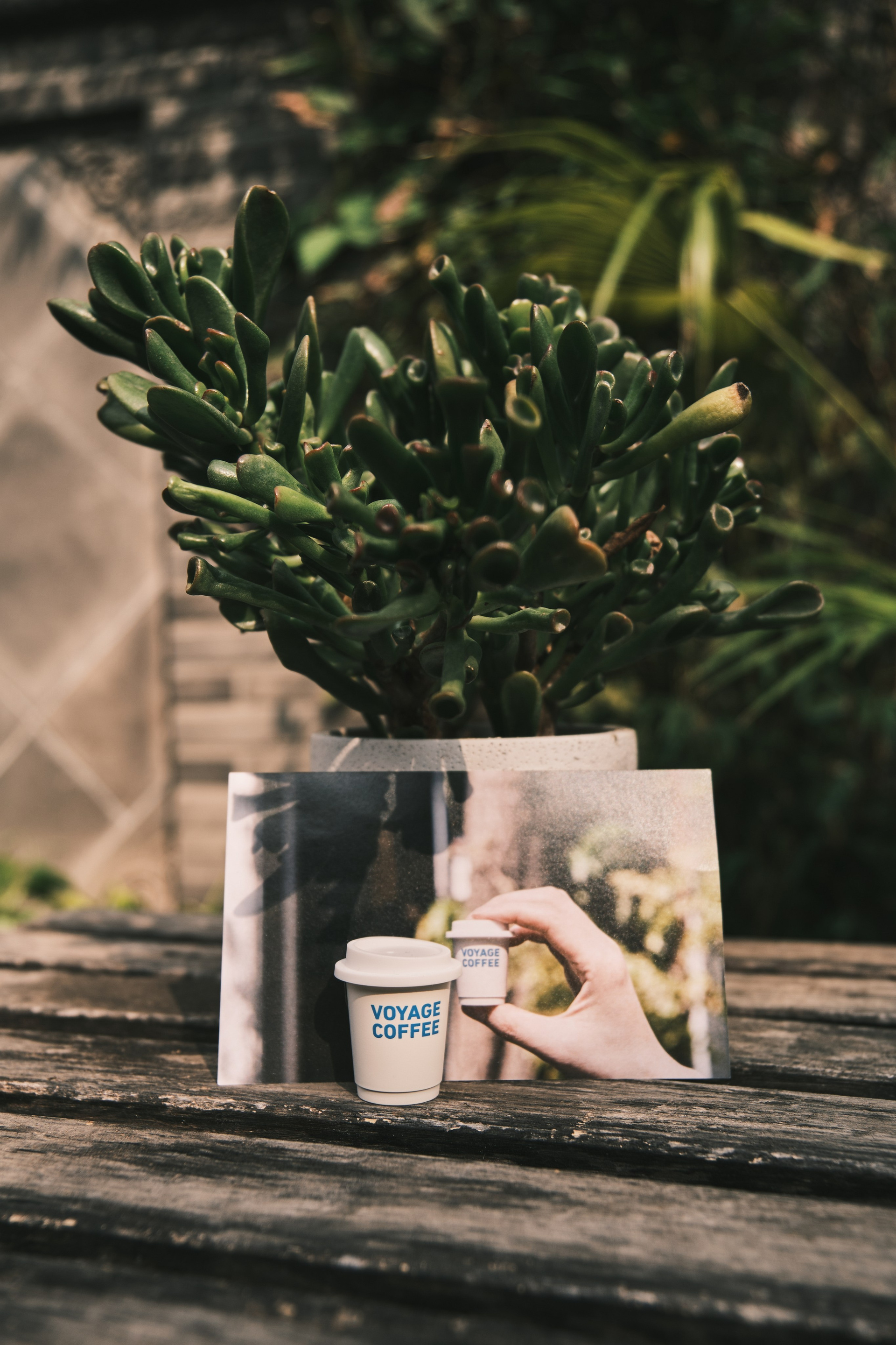
After a long walk, we stopped at the Voyage coffee shop, where someone spoke to us in Chinese. With a tired voice, I automatically replied, “English, please,” and to our surprise, they spoke English in response. We were so inspired and chatted so much from our hunger strike that they didn’t let us leave without a gift—instant specialty coffee in a miniature, adorable cup. We bought some sweets and ate them outside, under the glow of neon signs.



We returned to our neighborhood and wandered into a small eatery, where a grandfatherly customer watched wide-eyed as my wife confidently handled chopsticks. We received praise from the expert and began eating.
We ended the day on the hotel’s open-air rooftop terrace with a beer.
Day Four. Flight to Japan
Last day in Beijing began with a search for a decent place for breakfast. We wandered around, eventually returning to our trusted Slowboat, grabbed a burger, and then went to a familiar coffee shop. Interestingly, we couldn’t eat breakfast inside until 11 a.m., but taking our own food wasn’t a problem. We stopped by the coffee shop and arranged to bring our own food. By the last day, I was running low on online money, but I still had cash. This put the staff in a difficult position, since everyone pays with Alipay or WeChat in China. The poor guy ran to change money and handed me a sizable wad of 1 yuan bills. We had breakfast, washed it down with good coffee, and watched an old man practicing kung fu right on the street. A wonderful morning. ❤️
Then we headed to the airport to meet our next trip.
Some personal observations about China.
— They smoke everywhere.
— The Chinese are very noisy.
— Almost no one speaks English. Even communicating with a translator can be difficult.
— Cash is not popular. Everyone pays through Alipay or WeChat.
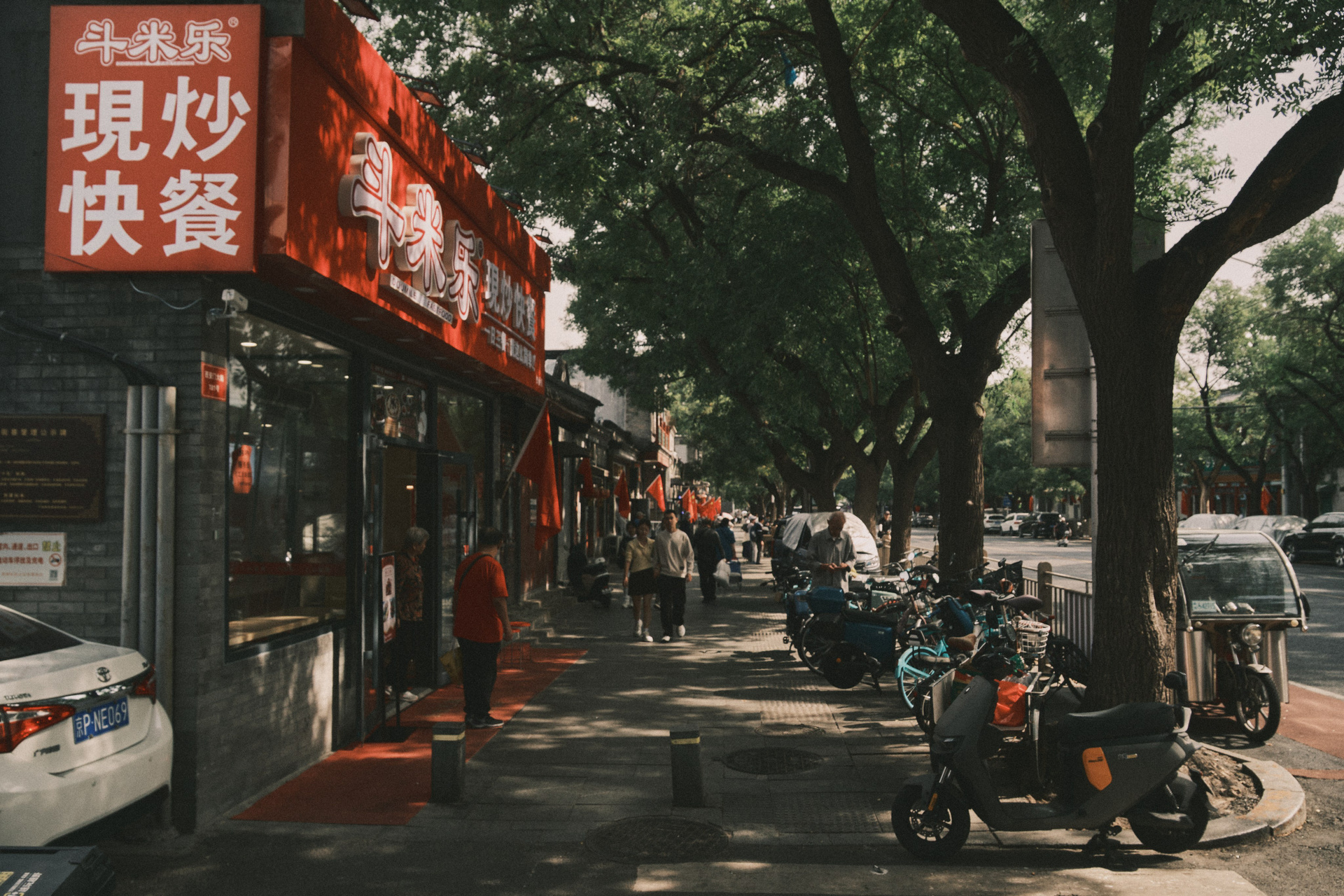
— National flags are everywhere. At every step. They hang literally every 5 meters on the big streets.
— Coffee is not cheap. The price is higher than in Russia.
— There are no supermarkets as such — only small, unremarkable shops where it is difficult to find what you need.
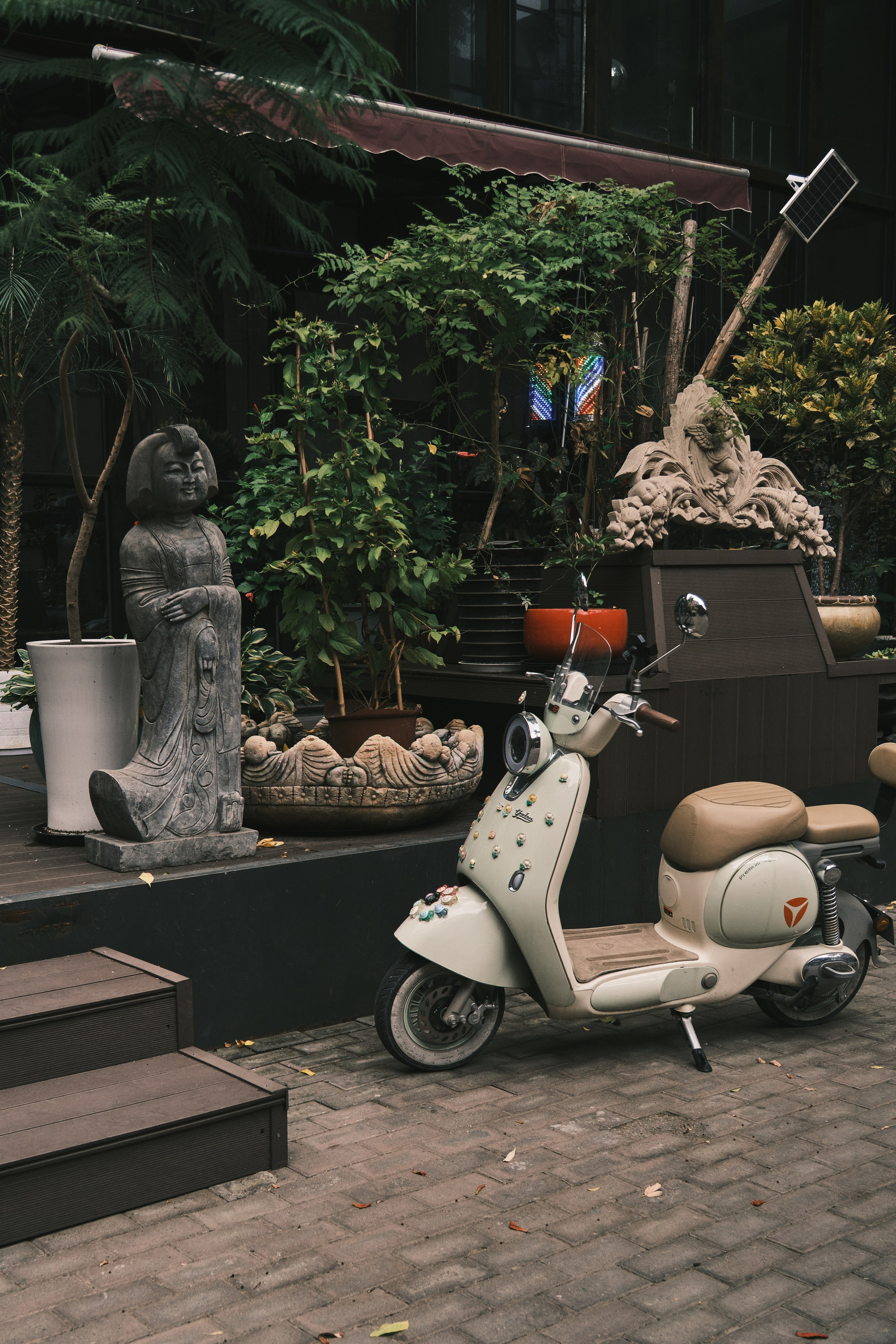
— Almost all transport is electric. Even mopeds. The exhaust fumes are not noticeable in the city.
— Very tight parking on narrow streets, cars are fenced off with cones.
— Taxis are inexpensive.